


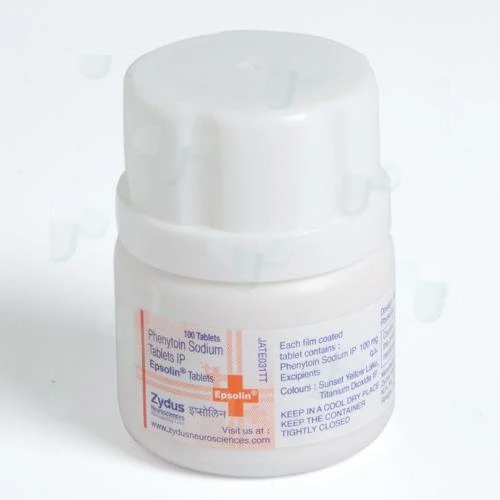
Dilantin


Dilantin is an established anticonvulsant medication primarily utilised to control and prevent various types of epileptic seizures, including generalised tonic-clonic and focal seizures. It works effectively by stabilising neuronal membranes and limiting the spread of excessive electrical activity within the brain. This proven formulation is widely recognised for providing dependable long-term seizure management and assisting patients following neurosurgical procedures. Customers can now easily purchase Dilantin over the counter to ensure continuous and reliable access to their essential therapy. This trusted OTC option offers a straightforward way to obtain high-quality neurological support delivered straight to your door across Australia.
Delivery: 5–21 days (depending on the shipping method selected)
Extra 10% off with code: EXTRA10
Each dosage option has its own packaging variants.
Dilantin Phenytoin Understanding Its Role in Seizure Management and Patient Care
Welcome to our comprehensive guide on Dilantin, a cornerstone medication for managing epilepsy and preventing seizures, now more accessible than ever for individuals across Australia. Understanding your treatment options is paramount, and we are committed to providing detailed, reliable information about this vital medication. Dilantin, with its active ingredient phenytoin, has been a trusted therapeutic agent for decades, offering stability and relief to countless individuals affected by seizure disorders. We believe in empowering our customers with knowledge, ensuring you can make informed choices about your health and well-being with confidence and ease.
Our commitment extends beyond just providing information; we offer a seamless and discreet way to acquire the medications you need. For those seeking effective seizure control, Dilantin represents a significant step towards a more stable life. We understand the importance of quick, convenient access to essential medicines, which is why we’ve streamlined the process. Experience the unparalleled convenience of obtaining your Dilantin supply directly from us, available freely and without the traditional requirement of a prescription or prior consultation with a specialist. Our service is designed to bring this crucial medication to you, wherever you are in Australia, ensuring consistent management of your condition.
Understanding Dilantin: The Core of Seizure Control
Dilantin, known generically as phenytoin, is an anticonvulsant medication primarily used to control and prevent various types of seizures. It belongs to a class of drugs called hydantoins. For individuals living with epilepsy or at risk of seizures due to other medical conditions, Dilantin offers a pathway to improved quality of life by reducing the frequency and severity of these neurological events. Its long history of effectiveness and extensive research background make it a preferred choice for many healthcare professionals and patients alike across Australia and globally.
The primary mechanism of action for Dilantin involves stabilising electrical activity in the brain. It works by reducing abnormal electrical impulses by affecting sodium channels in nerve cells. Specifically, phenytoin limits the spread of seizure activity and reduces seizure propagation by promoting sodium efflux from neurons, thereby stabilising the neuronal membrane. This action helps to prevent the rapid, uncontrolled firing of neurons that characterises an epileptic seizure. By stabilising these electrical signals, Dilantin helps to prevent seizures from starting and spreading, offering crucial protection and allowing individuals to lead more predictable lives. It is particularly effective for tonic-clonic (grand mal) seizures and complex partial seizures, providing a robust solution for many forms of epilepsy.
Key Benefits of Choosing Dilantin for Seizure Management
Choosing Dilantin as part of your seizure management plan offers several distinct advantages:
- Proven Efficacy: Dilantin has a long-standing track record of effectively reducing the incidence and severity of various seizure types, particularly tonic-clonic and partial seizures. Its established efficacy provides peace of mind for users.
- Consistent Control: Regular intake of Dilantin helps maintain stable drug levels in the bloodstream, leading to consistent seizure control and fewer unexpected episodes. This consistency is vital for daily functioning and safety.
- Broad Spectrum Action: While particularly effective for certain seizure types, Dilantin’s mechanism of action provides broad-spectrum anticonvulsant properties that can benefit a wide range of patients.
- Enhanced Quality of Life: By effectively controlling seizures, Dilantin empowers individuals to participate more fully in daily activities, work, and social life, significantly enhancing their overall quality of life. The freedom from constant worry about potential seizures can transform daily experiences.
- Reliable Treatment: As a well-researched and widely used medication, Dilantin is a reliable choice for long-term seizure management, backed by decades of clinical experience.
Acquiring Dilantin Through Our Online Pharmacy in Australia
We understand that navigating healthcare systems can sometimes be challenging. Our mission is to simplify access to essential medications like Dilantin. You can conveniently obtain Dilantin directly from our online platform, without the need for a prescription or a prior consultation. We believe in providing a straightforward path to the medication you require, ensuring that individuals across Australia have easy access to their seizure management solutions.
Our service is designed for your convenience, offering discreet packaging and reliable delivery across all major cities and regional areas of Australia. Whether you reside in Sydney, Melbourne, Brisbane, Perth, Adelaide, or any remote corner of this vast country, your medication can reach you directly. We prioritise your privacy and ensure that your order is handled with the utmost care and professionalism, delivered promptly to your doorstep. This streamlined approach allows you to maintain your treatment regimen without interruption, providing continuous peace of mind.
Important Considerations for Dilantin Use
While Dilantin is a highly effective medication, it is important to be fully informed about its appropriate use, potential side effects, and interactions. Understanding these aspects will help ensure optimal therapeutic outcomes and safety.
Dosage and Administration
Dilantin is typically administered orally, in capsule, tablet, or suspension form. The dosage regimen is highly individualised and depends on various factors including the type of seizure, the patient’s age, weight, and response to treatment. While you can obtain Dilantin freely from us, it is prudent to familiarise yourself with general dosing guidelines. Typically, adults may start with a lower dose, which is gradually increased until seizure control is achieved without excessive side effects. For maintenance, doses are usually divided and taken two or three times daily. Consistency is key; take Dilantin at the same time each day to maintain stable blood levels and maximise its effectiveness. Do not suddenly stop taking Dilantin, as this can lead to an increase in seizure activity. If you wish to discontinue or change your dosage, it is generally recommended to do so gradually.
Potential Side Effects
Like all medications, Dilantin can cause side effects, although not everyone experiences them. It is important to be aware of these. Some common side effects include:
- Neurological: Dizziness, drowsiness, difficulty with coordination (ataxia), slurred speech, confusion, nystagmus (involuntary eye movements). These often occur during the initial phase of treatment or with higher doses.
- Gastrointestinal: Nausea, vomiting, constipation. Taking Dilantin with food can sometimes help alleviate these symptoms.
- Dermatological: Rash. If a severe rash develops, discontinue use.
- Oral Health: Gingival hyperplasia (overgrowth of gum tissue). Good oral hygiene, including regular brushing, flossing, and dental check-ups, is crucial to manage this.
- Haematological: Folic acid deficiency, which can lead to anaemia.
- Skeletal: Bone softening (osteomalacia) due to interference with vitamin D metabolism, particularly with long-term use.
Less common but serious side effects can include severe skin reactions (e.g., Stevens-Johnson syndrome), liver damage, blood dyscrasias, and cardiovascular effects. If you experience any severe or concerning symptoms, it is advisable to seek medical attention.
Drug Interactions
Dilantin can interact with numerous other medications, potentially altering its effectiveness or increasing the risk of side effects. It is metabolised by the liver, and its metabolism can be affected by other drugs that induce or inhibit liver enzymes. Some notable interactions include:
- Other Anticonvulsants: Such as carbamazepine, phenobarbital, valproate, which can alter Dilantin levels.
- Antibiotics: Such as chloramphenicol, sulfonamides, isoniazid, which can increase Dilantin levels.
- Antifungals: Such as fluconazole, ketoconazole, miconazole.
- Anticoagulants: Such as warfarin, which can be affected by Dilantin.
- Contraceptives: Dilantin can reduce the effectiveness of oral contraceptives, necessitating alternative birth control methods.
- Corticosteroids, Doxycycline, Furosemide, Theophylline: Dilantin can decrease the effectiveness of these drugs.
- Alcohol: Acute alcohol intake can increase Dilantin levels, while chronic alcohol abuse can decrease them.
Given the potential for significant interactions, it is always wise to be informed about any other medications or supplements you are taking.
Precautions and Warnings
- Liver or Kidney Impairment: Use with caution in individuals with pre-existing liver or kidney conditions, as Dilantin is metabolised by the liver and excreted via the kidneys.
- Cardiac Conditions: Intravenous phenytoin can cause cardiac arrhythmias; oral Dilantin generally carries a lower risk, but caution is advised in those with cardiac issues.
- Diabetes: Dilantin can affect blood glucose levels; monitoring may be necessary for diabetic individuals.
- Hypersensitivity: Individuals with a history of hypersensitivity to hydantoins should avoid Dilantin.
- Pregnancy and Breastfeeding: While Dilantin is known to cross the placenta and is excreted in breast milk, the decision to use it during pregnancy or breastfeeding involves careful consideration.
- Elderly Patients: Elderly individuals may be more sensitive to the effects of Dilantin and may require lower doses.
- Alcohol Consumption: Avoid or limit alcohol consumption while taking Dilantin, as it can intensify drowsiness and other central nervous system side effects and interfere with medication levels.
- Driving and Operating Machinery: Due to potential side effects like dizziness, drowsiness, or visual disturbances, exercise caution when driving or operating heavy machinery until you know how Dilantin affects you.
By providing Dilantin directly to you without a prescription, we empower you to take charge of your health. However, this freedom comes with the responsibility of careful self-monitoring and adherence to established guidelines for safe medication use. Always be attentive to your body’s responses and maintain general health practices.
Comprehensive Characteristics of Dilantin (Phenytoin)
To further assist you in understanding this important medication, we have compiled a detailed table outlining the key characteristics of Dilantin. This comprehensive overview covers various aspects from its chemical properties to its clinical applications, ensuring you have a complete picture of what to expect.
| Characteristic | Description |
|---|---|
| Active Ingredient | Phenytoin |
| Drug Class | Anticonvulsant, Hydantoin derivative |
| Primary Indications | Control of tonic-clonic (grand mal) and complex partial (psychomotor) seizures; Prevention and treatment of seizures during or after neurosurgery; Control of status epilepticus (though intravenous phenytoin is often preferred for acute management). |
| Mechanism of Action | Stabilises neuronal membranes and reduces seizure propagation by altering sodium conductance (prolonging sodium channel inactivation), thereby limiting the repetitive firing of action potentials. Affects calcium channels and enhances GABAergic inhibition to a lesser extent. |
| Forms Available | Oral capsules, chewable tablets, oral suspension. Intravenous injection is also available for hospital use. |
| Typical Dosage Range (Adults) | Initial: 100 mg three times daily, adjusted to achieve seizure control. Maintenance: 300-400 mg daily, typically divided into two or three doses. (Individualised based on patient response and serum levels). |
| Onset of Action (Oral) | Slow onset, reaching steady-state plasma concentrations typically within 7-10 days of consistent dosing due to complex pharmacokinetics. |
| Half-Life | Highly variable, ranging from 7 to 42 hours, with an average of 22 hours. Exhibits dose-dependent (non-linear) kinetics at therapeutic concentrations. |
| Metabolism | Primarily hepatic (liver) via cytochrome P450 enzymes (CYP2C9 and CYP2C19). Metabolised to inactive hydroxymetabolites. |
| Excretion | Renal (kidney) excretion, mainly as inactive metabolites. Less than 5% is excreted unchanged in urine. |
| Protein Binding | Highly protein-bound (approximately 90%) to plasma albumin. Changes in protein binding can significantly affect the concentration of unbound (active) drug. |
| Common Side Effects | Dizziness, drowsiness, ataxia (difficulty with coordination), nystagmus (involuntary eye movements), slurred speech, confusion, nausea, vomiting, constipation, gingival hyperplasia (gum overgrowth), rash. |
| Serious Side Effects | Severe skin reactions (e.g., Stevens-Johnson syndrome, toxic epidermal necrolysis), liver damage, blood dyscrasias (e.g., aplastic anaemia, leukopenia), systemic lupus erythematosus, cardiovascular effects (especially with rapid IV administration), pseudo-lymphoma. |
| Drug Interactions | Extensive. Inducer of CYP450 enzymes (e.g., can decrease efficacy of oral contraceptives, corticosteroids, anticoagulants). Inhibitors of CYP450 (e.g., cimetidine, fluconazole, amiodarone, valproate) can increase phenytoin levels. |
| Contraindications | Hypersensitivity to phenytoin or other hydantoins; Sinus bradycardia, sinoatrial block, second- and third-degree AV block, Stokes-Adams syndrome (primarily for IV use). |
| Special Populations | Pregnancy: Known teratogen; risks versus benefits must be considered. Breastfeeding: Excreted in breast milk; effects on infant should be monitored. Elderly: May require lower doses due to altered metabolism. Paediatric: Dosing is weight-dependent; careful monitoring is essential. |
| Storage Instructions | Store at room temperature, away from moisture and direct light. Keep out of reach of children. |
| Monitoring Parameters | Therapeutic drug monitoring (serum phenytoin levels), complete blood counts, liver function tests, calcium and vitamin D levels (for long-term use), oral health. |
| Withdrawal | Abrupt discontinuation can precipitate status epilepticus; gradual tapering is essential if discontinuation is necessary. |
Frequently Asked Questions About Dilantin (Phenytoin)
To further address common queries and provide clarity, we’ve compiled a list of frequently asked questions about Dilantin. These answers aim to provide practical information for your understanding.
-
What is Dilantin primarily used for?
Dilantin is primarily used to control and prevent tonic-clonic (grand mal) and complex partial (psychomotor) seizures in individuals with epilepsy. It can also be used to prevent seizures during or after neurosurgery. Its effectiveness in stabilising brain electrical activity makes it a vital medication for long-term seizure management.
-
How does Dilantin work to prevent seizures?
Dilantin works by stabilising the electrical activity in the brain. It does this by affecting the flow of sodium ions across nerve cell membranes. By limiting the influx of sodium, it reduces the ability of nerve cells to fire rapidly and repeatedly, thereby preventing the spread of seizure activity and helping to control seizures.
-
How long does it take for Dilantin to start working effectively?
Because of its specific pharmacokinetic properties, it typically takes about 7 to 10 days of consistent daily dosing for Dilantin to reach steady therapeutic levels in your bloodstream. During this period, you may not experience the full benefits, and dosage adjustments may be necessary to achieve optimal seizure control.
-
What should I do if I miss a dose of Dilantin?
If you miss a dose of Dilantin, take it as soon as you remember. However, if it is almost time for your next scheduled dose, skip the missed dose and continue with your regular dosing schedule. Do not take a double dose to make up for a missed one. Consistent timing is important for maintaining stable blood levels, so try to adhere to your schedule as much as possible.
-
Can I stop taking Dilantin suddenly?
No, you should never stop taking Dilantin suddenly. Abruptly discontinuing Dilantin can significantly increase the risk of seizures, including status epilepticus (a prolonged or recurrent seizure state that is a medical emergency). If you need to stop or change your medication, it should be done gradually and carefully.
-
Are there any specific dietary restrictions while taking Dilantin?
While there are no strict dietary restrictions, it is often recommended to take Dilantin with food to minimise gastrointestinal upset. It’s also worth noting that Dilantin can interfere with the metabolism of vitamin D and folic acid, so maintaining a balanced diet rich in these nutrients, or discussing potential supplementation, can be beneficial, especially with long-term use.
-
Can I drink alcohol while taking Dilantin?
It is generally advisable to avoid or limit alcohol consumption while taking Dilantin. Alcohol can intensify the central nervous system side effects of Dilantin, such as drowsiness, dizziness, and impaired coordination. Additionally, acute alcohol consumption can increase Dilantin levels, while chronic abuse can decrease them, affecting seizure control.
-
How should I store Dilantin?
Dilantin should be stored at room temperature, away from excessive heat and moisture. Keep it in its original container and ensure the lid is tightly closed. Always keep all medications out of the reach of children and pets. Proper storage helps maintain the medication’s efficacy.
-
Is Dilantin readily available across Australia?
Yes, Dilantin is a widely recognised and available medication in Australia. Through our online platform, you can acquire Dilantin conveniently and freely, without a prescription. We ensure nationwide delivery, making it accessible whether you are in a major city or a regional town across Australia.
-
What are the common side effects of Dilantin?
Common side effects often include neurological symptoms like dizziness, drowsiness, difficulty with coordination (ataxia), and slurred speech. Gastrointestinal issues such as nausea and vomiting are also possible. Additionally, gum overgrowth (gingival hyperplasia) and skin rash can occur. Regular monitoring and good oral hygiene can help manage some of these effects.
Australian Voices: Real Experiences with Dilantin
Hearing from others who have experienced the benefits of a medication can be incredibly reassuring. Here are two fictional testimonials from individuals in Australia who have found stability and relief with Dilantin.
Review from Emily R., Perth, WA:
“Living with epilepsy in Perth meant a constant worry about where and when the next seizure might strike. For years, I struggled to find a reliable treatment that truly made a difference without significant hassle. Then I started on Dilantin. The change has been profound. My tonic-clonic seizures, which used to be a regular terror, are now rare occurrences. I feel a level of independence I haven’t experienced in a long time. The ability to simply order Dilantin online and have it delivered discreetly to my door across Western Australia has been a game-changer. It’s comforting to know I have easy access to this crucial medication. It has truly given me back my confidence to live my life to the fullest, exploring all that Australia has to offer.”
Review from David K., Melbourne, VIC:
“As a professional in Melbourne, maintaining consistency in my health routine is critical. My neurologist recommended Dilantin for my partial seizures, and it has proven to be an excellent choice. After the initial adjustment period, I’ve found Dilantin to be incredibly effective, significantly reducing the frequency and intensity of my episodes. What truly stands out for me is the convenience of obtaining it through this online service. The discreet packaging and prompt delivery right to my apartment here in Victoria means I never have to worry about running out. It’s a testament to how modern services can truly enhance patient care. This accessibility and the consistent control Dilantin provides have allowed me to focus more on my career and family without the looming concern of seizure activity. It’s a reliable part of my daily life, and I highly recommend it for those seeking dependable seizure management.”
Your Partner in Health: Convenient Access to Dilantin Across Australia
We are dedicated to being your reliable partner in managing your health, especially when it comes to essential medications like Dilantin. Our platform is built on the principles of accessibility, discretion, and comprehensive information. We understand the unique needs of individuals seeking effective seizure management and strive to meet those needs with a straightforward and supportive service.
By offering Dilantin freely, without the traditional requirements of a prescription or specialist consultation, we aim to remove barriers to care, making it easier for you to maintain your treatment regimen. This means you can focus on living your life, confident in the knowledge that your medication is readily available. Our commitment to nationwide delivery ensures that no matter where you are in Australia–from the bustling streets of major cities to the tranquil remote communities–your Dilantin supply will reach you promptly and securely.
Choosing to acquire your Dilantin through our online pharmacy means opting for convenience, privacy, and peace of mind. We are here to support your journey towards stable seizure control and an enhanced quality of life. Explore the ease of access and dedicated service that sets us apart, making your health management simpler and more efficient, right here in Australia.
| Dosage | 100mg |
|---|---|
| Package | 60 pills, 90 pills, 120 pills, 180 pills, 270 pills, 360 pills |
| Active Ingredient | Phenytoin |
| Active Ingredient |
Be the first to review “Dilantin”
You must be logged in to post a review.
Related products








Reviews
There are no reviews yet.