



Ezetimibe
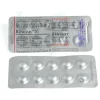
Ezetimibe is an effective medication designed to help lower elevated blood cholesterol levels by reducing the absorption of dietary cholesterol in the small intestine. It is widely used to treat primary hypercholesterolaemia and assist in maintaining healthy lipid profiles alongside a balanced diet. You can conveniently purchase this reliable treatment over the counter without requiring a doctor’s prescription. As an accessible OTC option for cardiovascular wellness, it provides a practical solution to support your daily heart health. Suitable for daily management, Ezetimibe works consistently to promote optimal cholesterol balance and overall cardiovascular wellbeing.
Delivery: 5–21 days (depending on the shipping method selected)
Extra 10% off with code: EXTRA10
Each dosage option has its own packaging variants.
Ezetimibe Enhancing Lipid Management through Selective Cholesterol Absorption Blockade
Welcome to our in-depth resource dedicated to Ezetimibe, a crucial medication in the fight against high cholesterol. In Australia, maintaining optimal cardiovascular health is a priority for many, and understanding your treatment options is the first step towards a healthier future. Ezetimibe offers a distinct approach to lipid management, designed to help individuals effectively control their cholesterol levels and mitigate associated health risks. This comprehensive guide will illuminate every facet of Ezetimibe, from its unique mechanism of action to its benefits, potential side effects, and how it can seamlessly integrate into your health regimen.
High cholesterol is a silent threat affecting countless Australians, contributing significantly to conditions like heart disease and stroke. At our online pharmacy, we are committed to empowering you with knowledge and accessible solutions to manage your health proactively. Ezetimibe stands out as a highly effective and well-tolerated option, whether used alone or in combination with other lipid-lowering therapies. We invite you to explore this detailed overview, discover how Ezetimibe can support your journey towards better health, and understand why it is a trusted choice for cholesterol management across Australia.
Understanding Ezetimibe: A Novel Approach to Cholesterol Management
Ezetimibe is a potent and selective cholesterol absorption inhibitor, representing a significant advancement in the pharmacological management of hyperlipidemia. Unlike statins, which primarily reduce cholesterol production in the liver, Ezetimibe targets a different pathway, offering a complementary or alternative solution for individuals seeking to lower their cholesterol levels. This unique mechanism makes Ezetimibe an invaluable tool in a comprehensive treatment strategy, particularly for those who may not tolerate statins well or require additional lipid-lowering power.
The primary role of Ezetimibe is to reduce the absorption of cholesterol from the diet and from bile that is secreted into the intestine. By doing so, it effectively decreases the amount of cholesterol available to the liver, leading to a reduction in cholesterol synthesis and an increase in the clearance of cholesterol from the blood. This action specifically targets the Niemann-Pick C1-Like 1 (NPC1L1) protein, located on the brush border of the small intestine enterocytes. By blocking this protein, Ezetimibe prevents cholesterol from entering the bloodstream, thus lowering systemic cholesterol levels.
This distinct mode of action provides several advantages. Firstly, Ezetimibe can be highly effective in reducing LDL-C (low-density lipoprotein cholesterol), often referred to as “bad” cholesterol, which is a major risk factor for cardiovascular disease. Secondly, because it acts locally in the gut and has minimal systemic exposure, it generally has a favourable safety profile compared to some other lipid-lowering agents. This makes it a suitable option for a wide range of patients across Australia, including those with pre-existing conditions or sensitivities.
For many Australians, managing cholesterol is a lifelong commitment. Ezetimibe offers a reliable and proven path to achieving and maintaining healthy lipid profiles, contributing significantly to the prevention of serious cardiovascular events. Its efficacy, combined with its unique mechanism, positions Ezetimibe as a cornerstone therapy in modern cholesterol management strategies.
Key Indications and Therapeutic Applications
Ezetimibe is approved for a variety of indications related to lipid management, underscoring its versatility and importance in clinical practice. Its primary therapeutic applications revolve around reducing elevated total cholesterol, LDL-C, apolipoprotein B (apoB), and triglycerides, while potentially increasing HDL-C (high-density lipoprotein cholesterol), or “good” cholesterol. Understanding these indications is crucial for determining if Ezetimibe is the right choice for your specific health needs.
- Primary Hypercholesterolemia (Heterozygous Familial and Non-Familial): Ezetimibe is widely used as an adjunct to diet in individuals with primary hypercholesterolemia. It can be administered alone or, more commonly, in combination with a HMG-CoA reductase inhibitor (statin) when statin monotherapy is insufficient or not tolerated. This combination therapy often achieves greater reductions in LDL-C than either agent alone, providing enhanced cardiovascular protection for many Australians.
- Mixed Hyperlipidemia: For patients with both elevated cholesterol and triglycerides, Ezetimibe can be an effective component of a treatment plan. It helps address the cholesterol component, often alongside other agents targeting triglyceride levels.
- Homozygous Familial Hypercholesterolemia (HoFH): This rare, severe genetic disorder results in extremely high cholesterol levels from birth. Ezetimibe is approved for use in combination with a statin and other lipid-lowering therapies in adult and paediatric patients (aged 10 years and older) with HoFH, playing a vital role in reducing the significant cardiovascular risk associated with this condition.
- Homozygous Sitosterolemia (Phytosterolemia): Ezetimibe is specifically indicated for the reduction of elevated sitosterol and campesterol levels in patients with homozygous sitosterolemia. This rare genetic lipid disorder is characterized by increased absorption of plant sterols and cholesterol, leading to their accumulation in tissues. Ezetimibe’s mechanism of blocking intestinal absorption of sterols makes it uniquely effective in this condition.
The ability of Ezetimibe to be used both as monotherapy and in combination with statins offers flexibility in treatment strategies. For individuals in Australia who experience statin-associated side effects, Ezetimibe monotherapy can be a valuable alternative. For those needing more aggressive lipid lowering, the combination of Ezetimibe and a statin often proves to be highly effective, reaching LDL-C goals that might otherwise be unattainable. This dual approach tackles cholesterol from two different angles, significantly enhancing overall lipid management and contributing to a healthier population across Australia.
Benefits of Incorporating Ezetimibe into Your Health Regimen
Choosing Ezetimibe as part of your cholesterol management strategy offers a range of significant benefits, contributing to improved cardiovascular health and overall well-being. Its distinct mechanism of action and favourable safety profile make it an attractive option for many Australians looking to take control of their lipid levels. These benefits extend beyond simple numerical reductions in cholesterol, impacting long-term health outcomes.
- Effective LDL-C Reduction: Ezetimibe consistently demonstrates significant reductions in LDL-C, often by 15-20% when used as monotherapy. When combined with a statin, it can achieve an additional 15-20% reduction beyond what the statin alone provides, leading to a substantial overall decrease in “bad” cholesterol. This potent effect is crucial for reducing the risk of atherosclerosis and related cardiovascular events.
- Complementary Mechanism to Statins: Its unique action of blocking intestinal cholesterol absorption complements the liver-based cholesterol synthesis inhibition of statins. This synergistic effect allows for greater cholesterol lowering, often at lower statin doses, potentially reducing statin-related side effects. This is particularly beneficial for individuals in Australia who may be sensitive to higher doses of statins.
- Well-Tolerated Profile: Ezetimibe is generally well-tolerated, with a side effect profile often comparable to placebo. This makes it an excellent option for patients who experience muscle pain or other adverse effects with statins, offering an alternative or an addition that can enhance efficacy without exacerbating intolerance.
- Reduced Cardiovascular Risk: Clinical trials have shown that lowering LDL-C with Ezetimibe, especially when added to statin therapy, significantly reduces the risk of major cardiovascular events, including heart attack, stroke, and the need for coronary revascularization. This direct impact on hard clinical endpoints underscores its importance in preventive cardiology across Australia.
- Flexibility in Treatment: Ezetimibe can be used as monotherapy for individuals who cannot tolerate statins, or as an add-on therapy to statins for those who require further LDL-C reduction. This flexibility allows for personalized treatment plans tailored to individual patient needs and responses.
- Specific Utility for Rare Conditions: Beyond common hypercholesterolemia, Ezetimibe is uniquely effective for conditions like homozygous sitosterolemia, demonstrating its targeted therapeutic value in specific rare lipid disorders.
The ability of Ezetimibe to deliver powerful lipid-lowering effects with a favourable safety profile makes it a valuable asset in the management of high cholesterol. For residents across Australia, incorporating Ezetimibe into their health regimen can be a proactive step towards safeguarding cardiovascular health and enjoying a longer, healthier life.
Dosage, Administration, and Important Considerations
Understanding the correct dosage and administration of Ezetimibe is crucial for maximising its effectiveness and ensuring patient safety. Ezetimibe is typically administered as a single daily dose, and consistent adherence to the prescribed regimen is key to achieving optimal cholesterol-lowering results. For the convenience of all Australians, this medication is designed for straightforward use within your daily routine.
- Standard Dosage: The recommended daily dose of Ezetimibe for adults, including the elderly, and adolescents (10 years and older) with primary hypercholesterolemia, homozygous familial hypercholesterolemia, or homozygous sitosterolemia is 10 mg. This dose is taken once daily.
- Administration: Ezetimibe can be taken at any time of day, with or without food. It can be administered concomitantly with a statin or fenofibrate. If you are also taking a bile acid sequestrant (such as cholestyramine), Ezetimibe should be taken at least 2 hours before or at least 4 hours after the bile acid sequestrant, as these can interfere with Ezetimibe absorption.
- Hepatic Impairment: No dosage adjustment is required for patients with mild hepatic impairment. However, Ezetimibe is not recommended for patients with moderate to severe hepatic impairment due to unknown effects and potential for increased exposure.
- Renal Impairment: No dosage adjustment is necessary for patients with mild to severe renal impairment.
- Paediatric Use: For children aged 6 to 9 years with homozygous familial hypercholesterolemia or homozygous sitosterolemia, the recommended dose is also 10 mg once daily. Safety and efficacy in children younger than 6 years have not been established.
- Consistency is Key: To achieve the best results, it is important to take Ezetimibe regularly as part of a comprehensive cholesterol management plan that includes a healthy diet and regular exercise. Missing doses can reduce the effectiveness of the treatment.
When considering Ezetimibe, it’s reassuring to know that for customers across Australia, this medication can be acquired absolutely freely – without a prescription and specialist consultation. This accessibility simplifies the process of obtaining essential medication, allowing you to take proactive steps for your heart health. However, it is always recommended to be informed about your health status and lipid levels. Ezetimibe offers a convenient and effective way to manage cholesterol, supporting a healthier lifestyle for all Australians.
Potential Side Effects and How to Manage Them
While Ezetimibe is generally well-tolerated, like all medications, it can cause side effects in some individuals. Being aware of potential adverse reactions allows you to monitor your health and respond appropriately. It’s important to remember that most people in Australia taking Ezetimibe experience no significant side effects, or only mild ones that do not require discontinuation of treatment.
Common Side Effects (may affect up to 1 in 10 people):
- Abdominal pain
- Diarrhoea
- Flatulence (gas)
- Fatigue
- Headache
- Muscle aches (myalgia), especially when used with a statin
- Elevated liver enzymes (transaminases), usually mild and transient
These common side effects are usually mild and often resolve on their own as your body adjusts to the medication. If they persist or become bothersome, discuss them with a healthcare professional.
Less Common Side Effects (may affect up to 1 in 100 people):
- Dizziness
- Nausea
- Constipation
- Indigestion
- Joint pain (arthralgia)
- Cough
- Increased blood pressure
- Swelling of the hands or feet (peripheral oedema)
- Rash, itching, hives (urticaria)
Rare but Serious Side Effects (seek immediate medical attention if experienced):
- Allergic Reactions: Symptoms such as swelling of the face, lips, tongue, or throat that may cause difficulty breathing or swallowing (angioedema), or severe rash.
- Liver Problems: Although rare, significant elevations in liver enzymes, dark urine, yellowing of the skin or eyes (jaundice), or severe abdominal pain could indicate liver issues.
- Muscle Problems (Rhabdomyolysis): In very rare cases, especially when combined with a statin, Ezetimibe can contribute to severe muscle breakdown (rhabdomyolysis) leading to kidney damage. Symptoms include unexplained muscle pain, tenderness, or weakness, particularly if accompanied by fever or dark urine.
- Pancreatitis: Inflammation of the pancreas, causing severe abdominal pain.
If you experience any severe or concerning side effects, it is crucial to seek medical advice promptly. While you can obtain Ezetimibe without a prescription, understanding the potential side effects and knowing when to consult a medical professional is a responsible approach to your health. For residents throughout Australia, being informed about your medication contributes to safer and more effective treatment outcomes.
Contraindications and Precautions
While Ezetimibe is a safe and effective medication for many, certain conditions and circumstances may preclude its use or require careful consideration. Awareness of these contraindications and precautions is vital for ensuring the appropriate and safe application of the medication. This information is essential for anyone in Australia considering Ezetimibe as part of their cholesterol management strategy.
Absolute Contraindications:
- Hypersensitivity: Ezetimibe is contraindicated in patients with a known hypersensitivity to the active substance or to any of the excipients.
- Active Liver Disease (when combined with a statin): When Ezetimibe is to be used in combination with a statin, the combination is contraindicated in patients with active liver disease or unexplained persistent elevations of serum transaminases. This is due to the statin component.
- Pregnancy and Lactation (when combined with a statin): The combination of Ezetimibe with a statin is contraindicated during pregnancy and breastfeeding due to the statin component.
Precautions and Warnings:
- Liver Function: If Ezetimibe is administered with a statin, liver function tests should be performed at the initiation of therapy and periodically thereafter, as recommended for statins. While Ezetimibe alone has a low risk of liver enzyme elevation, vigilance is important, especially when combined with other drugs. Ezetimibe monotherapy should be used with caution in patients with moderate to severe hepatic impairment.
- Skeletal Muscle: There have been reports of myopathy and rhabdomyolysis with Ezetimibe monotherapy or when added to other agents known to be associated with an increased risk of rhabdomyolysis, such as statins. Patients should be advised to report any unexplained muscle pain, tenderness, or weakness immediately.
- Fibrates: The co-administration of Ezetimibe with fibrates (e.g., fenofibrate, gemfibrozil) is not recommended due to limited data on long-term safety and efficacy. If a fibrate is prescribed with Ezetimibe, cholelithiasis (gallstones) and cholecystitis (inflammation of the gallbladder) should be monitored.
- Cyclosporine: Caution should be exercised when initiating Ezetimibe in the context of cyclosporine use, as cyclosporine can increase Ezetimibe exposure. Blood cyclosporine concentrations should be monitored.
- Oral Anticoagulants: If Ezetimibe is added to warfarin, other coumarin anticoagulants, or fluindione, the International Normalized Ratio (INR) should be appropriately monitored.
- Paediatric Use: For children aged 6 to 9 years, Ezetimibe should only be initiated by a specialist experienced in the treatment of paediatric dyslipidaemias.
- Elderly Patients: No dosage adjustment is required for elderly patients, but as with all medications, careful monitoring is advisable.
While Ezetimibe is available without a prescription and specialist consultation in our online pharmacy, we strongly advocate for informed decision-making regarding your health. Understanding these contraindications and precautions helps ensure that Ezetimibe is used safely and effectively, contributing to better health outcomes for individuals across Australia.
Drug Interactions: What You Need to Know
When taking any medication, it’s important to be aware of potential interactions with other drugs, supplements, or even certain foods. Drug interactions can alter the way medications work, either by increasing or decreasing their effects, or by increasing the risk of side effects. For those in Australia considering Ezetimibe, understanding these interactions is a crucial part of responsible health management.
- Statins: Ezetimibe can be safely co-administered with statins (e.g., atorvastatin, simvastatin, rosuvastatin). This combination is often used to achieve greater LDL-C reductions than either drug alone. However, the risk of statin-related side effects, particularly myopathy and rhabdomyolysis, may be slightly increased with combination therapy. Liver function tests should be monitored as per statin guidelines.
- Fibrates (e.g., Fenofibrate, Gemfibrozil): The co-administration of Ezetimibe with fibrates is generally not recommended. Fibrates can increase the excretion of cholesterol into the bile, potentially leading to gallstones. If used together, monitoring for symptoms of cholelithiasis (gallstones) is advised. Gemfibrozil, in particular, may increase the concentration of Ezetimibe in the body.
- Bile Acid Sequestrants (e.g., Cholestyramine, Colestipol): Bile acid sequestrants can significantly decrease the absorption of Ezetimibe. Therefore, if you are taking both, Ezetimibe should be administered at least 2 hours before or at least 4 hours after taking a bile acid sequestrant to minimise interference with absorption.
- Cyclosporine: Cyclosporine can increase the systemic exposure to Ezetimibe. When initiating Ezetimibe therapy in patients receiving cyclosporine, caution should be exercised. Cyclosporine concentrations should be monitored, and the Ezetimibe dose may need adjustment.
- Antacids: Co-administration with antacids has been shown to decrease the rate of absorption of Ezetimibe but does not affect the extent of absorption. No dosage adjustment is needed.
- Oral Anticoagulants (e.g., Warfarin): If Ezetimibe is added to warfarin, other coumarin anticoagulants, or fluindione, the International Normalized Ratio (INR) should be appropriately monitored, as Ezetimibe may slightly increase the anticoagulant effect.
- Other Common Drugs: Ezetimibe has shown no significant pharmacokinetic interactions with other commonly used drugs such as digoxin, oral contraceptives, cimetidine, and glipizide.
Always inform a healthcare professional about all medications, supplements, and herbal remedies you are currently taking before starting Ezetimibe. While our online pharmacy offers Ezetimibe without a prescription, being proactive about understanding potential interactions is a critical step towards safe and effective treatment. This vigilance helps protect your health and ensures optimal therapeutic outcomes for all Australians.
Ezetimibe: Your Partner in Cardiovascular Health Across Australia
Ezetimibe offers a powerful and well-tolerated option for managing cholesterol, whether you’re dealing with primary hypercholesterolemia, mixed hyperlipidemia, or more specific conditions like homozygous sitosterolemia. Its unique mechanism of action, either alone or in combination with statins, provides an effective strategy for reducing LDL-C and lowering cardiovascular risk, making it an invaluable tool for health-conscious individuals throughout Australia. By blocking cholesterol absorption in the gut, Ezetimibe provides a distinct advantage, offering enhanced lipid-lowering capabilities and a favourable safety profile.
Choosing Ezetimibe is a step towards greater control over your heart health. And choosing to acquire it through our online pharmacy simplifies this process significantly. We understand the need for convenience and accessibility, which is why we offer Ezetimibe for purchase absolutely freely – without a prescription and specialist consultation. This ensures that you can quickly and easily access the medication you need to support your cardiovascular well-being, delivered discreetly to your home anywhere in Australia. Our commitment is to provide a seamless, reliable experience, making health management straightforward for every Australian. Empower yourself with information and effective treatment to maintain a vibrant, healthy lifestyle.
Detailed Characteristics of Ezetimibe
| Characteristic | Description |
|---|---|
| Active Pharmaceutical Ingredient | Ezetimibe |
| Drug Class | Cholesterol Absorption Inhibitor |
| Mechanism of Action | Selectively inhibits the absorption of cholesterol and related phytosterols from the small intestine via the Niemann-Pick C1-Like 1 (NPC1L1) protein. This reduces the delivery of intestinal cholesterol to the liver, leading to a decrease in hepatic cholesterol stores and an increase in cholesterol clearance from the blood. |
| Indications |
|
| Dosage Form | Oral Tablets |
| Standard Adult Dosage | 10 mg orally once daily. |
| Paediatric Dosage | 10 mg orally once daily for children ≥10 years (HoFH, Primary Hypercholesterolemia, Sitosterolemia). For children 6-9 years (HoFH, Sitosterolemia), 10 mg once daily (under specialist supervision). Not recommended for children <6 years. |
| Administration | Can be taken with or without food, at any time of day. If taken with a bile acid sequestrant, administer Ezetimibe at least 2 hours before or 4 hours after the sequestrant. |
| Efficacy | Reduces LDL-C by approximately 15-20% as monotherapy. When combined with a statin, provides an additional 15-20% LDL-C reduction beyond statin monotherapy. Also reduces total cholesterol, apoB, and triglycerides, and may increase HDL-C. |
| Onset of Action | Significant lipid-lowering effects typically observed within 2 weeks. |
| Elimination | Primarily excreted in faeces (78%), with a smaller amount in urine (11%). Metabolised in the small intestine and liver via glucuronide conjugation. |
| Half-Life | Approximately 22 hours, supporting once-daily dosing. |
| Hepatic Impairment | No dose adjustment for mild impairment. Not recommended for moderate to severe impairment. |
| Renal Impairment | No dose adjustment for mild to severe impairment. |
| Common Side Effects | Abdominal pain, diarrhoea, flatulence, headache, fatigue, muscle aches (especially with statins), elevated liver enzymes. |
| Serious Side Effects (Rare) | Allergic reactions (angioedema), liver dysfunction, myopathy/rhabdomyolysis (especially with statins), pancreatitis. |
| Contraindications | Hypersensitivity to Ezetimibe. When combined with a statin: active liver disease, unexplained persistent elevations of transaminases, pregnancy, lactation. |
| Drug Interactions | Bile acid sequestrants (requires spaced dosing). Cyclosporine (monitor levels). Fibrates (generally not recommended, monitor for gallstones). Warfarin (monitor INR). |
| Storage | Store at room temperature (below 30°C), away from moisture and light. Keep out of reach of children. |
| Availability in Australia | Available freely – without a prescription and specialist consultation through our online pharmacy, delivered nationwide. |
Frequently Asked Questions About Ezetimibe
To further assist our customers in Australia, we’ve compiled a list of commonly asked questions about Ezetimibe. These answers aim to provide clarity and empower you with the knowledge needed to make informed decisions about your health and cholesterol management.
1. How does Ezetimibe differ from statins?
Ezetimibe works differently from statins. Statins reduce cholesterol production in the liver, while Ezetimibe blocks the absorption of cholesterol from the food you eat and from bile in your intestines. This unique mechanism makes Ezetimibe an excellent option for those who cannot tolerate statins or need additional cholesterol lowering beyond what statins can provide alone.
2. Can I take Ezetimibe if I have liver problems?
Ezetimibe is generally safe for individuals with mild liver impairment, and no dose adjustment is typically needed. However, it is not recommended for patients with moderate to severe liver impairment due to a lack of data on its effects in these conditions. If you have a history of liver problems, it’s wise to be informed about your health before starting any new medication.
3. How long does it take for Ezetimibe to start working?
The cholesterol-lowering effects of Ezetimibe typically become evident within two weeks of starting treatment. Consistent daily use is key to achieving and maintaining optimal results over time. Regular monitoring of your lipid levels can help track its effectiveness.
4. What should I do if I miss a dose of Ezetimibe?
If you miss a dose, take it as soon as you remember. However, if it’s almost time for your next scheduled dose, skip the missed dose and continue with your regular dosing schedule. Do not take a double dose to make up for a missed one. Consistency is important for the best results.
5. Is Ezetimibe suitable for long-term use?
Yes, Ezetimibe is designed for long-term use in managing chronic conditions like hypercholesterolemia. Its favourable safety profile and sustained efficacy make it a viable option for many individuals in Australia needing ongoing cholesterol control. Your health goals will guide the duration of treatment.
6. Can Ezetimibe be used by children?
Ezetimibe is approved for use in children aged 6 years and older with homozygous familial hypercholesterolemia or homozygous sitosterolemia. For children aged 10 years and older, it’s also indicated for primary hypercholesterolemia. Use in children should ideally be guided by a healthcare professional specialising in paediatric lipid disorders.
7. Does Ezetimibe have any dietary restrictions?
While Ezetimibe works to block cholesterol absorption, it is still crucial to maintain a heart-healthy diet low in saturated and trans fats. Ezetimibe is an adjunct to diet, not a substitute for healthy eating habits. A balanced diet and regular exercise are integral to comprehensive cholesterol management for all Australians.
8. Can Ezetimibe affect my blood sugar levels?
Unlike some statins which have been associated with a small increased risk of new-onset diabetes in certain individuals, Ezetimibe does not typically have a significant impact on blood sugar levels. It is generally considered safe for individuals with diabetes, but regular health monitoring is always advisable.
9. How does Ezetimibe help prevent heart attacks and strokes?
By significantly reducing LDL-C, often referred to as “bad” cholesterol, Ezetimibe helps to slow down or even reverse the build-up of plaque in the arteries (atherosclerosis). This reduction in plaque formation and inflammation lowers the risk of blockages that can lead to heart attacks and strokes. Clinical studies have shown that effective LDL-C lowering with Ezetimibe, especially when added to statin therapy, significantly reduces the risk of major cardiovascular events.
10. Is Ezetimibe safe for elderly patients?
Yes, no dosage adjustment is required for elderly patients, and Ezetimibe has been shown to be safe and effective in this population. As with any medication, close monitoring is recommended to ensure optimal outcomes, but Ezetimibe provides a valuable option for managing cholesterol in older Australians.
What Our Australian Customers Say About Ezetimibe
We are proud to share positive feedback from Australians who have experienced the benefits of Ezetimibe. These testimonials highlight the real-world impact of this medication on their health journeys.
Review 1: “A Game-Changer for My Cholesterol!” – David R., Sydney, NSW
“Living in Sydney, I lead a busy life, and managing my high cholesterol was always a concern. My doctor had prescribed statins in the past, but I struggled with muscle aches that made my active lifestyle difficult. After researching alternatives, I found Ezetimibe. I was initially hesitant about trying something new, but the difference has been incredible. My latest blood tests show my LDL-C levels are the best they’ve been in years, and without any of the discomfort I experienced before. The accessibility of purchasing Ezetimibe without a prescription through this online pharmacy in Australia has been a huge relief. It’s truly been a game-changer for my cardiovascular health and overall well-being. Highly recommend to anyone in Australia looking for an effective cholesterol solution.”
Review 2: “Effective and Easy to Integrate” – Eleanor V., Perth, WA
“As someone conscious of my heart health in Perth, keeping my cholesterol in check is a priority. Ezetimibe has proven to be an excellent addition to my health regimen. I appreciate its targeted approach to cholesterol absorption, and I’ve noticed a significant improvement in my lipid profile since I started taking it. What truly stands out is how easy it is to integrate into my daily routine; no complex instructions, just one tablet a day. The convenience of being able to acquire this medication easily online across Australia has also been fantastic. I feel more confident about my long-term health prospects, knowing I have such an effective and accessible option. A big thumbs up from Western Australia!”
| Dosage | 10 mg |
|---|---|
| Package | 30 pills, 60 pills, 90 pills, 120 pills, 180 pills |
| Active Ingredient | Ezetimibe |
| Active Ingredient |
Be the first to review “Ezetimibe”
You must be logged in to post a review.
Related products




Reviews
There are no reviews yet.