
Naltrexone
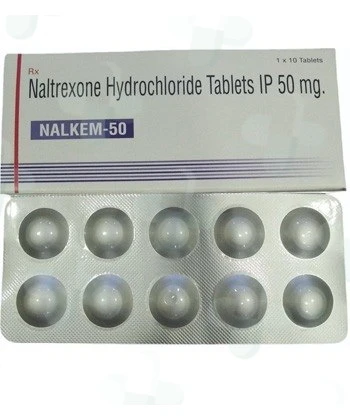
Naltrexone is an effective medication widely utilised across Australia for the comprehensive management of alcohol and opioid dependence. It works by blocking specific receptors in the brain, significantly curbing cravings and dampening the rewarding effects of these substances. You can easily purchase genuine Naltrexone over the counter through our platform without a doctor’s prescription. Choosing this accessible OTC treatment provides vital support for individuals committed to sustaining long-term recovery. Manufactured to strict quality standards, it serves as a dependable aid in achieving lasting wellness and a healthier lifestyle.
Delivery: 5–21 days (depending on the shipping method selected)
Extra 10% off with code: EXTRA10
Each dosage option has its own packaging variants.
Naltrexone Its Action and Application in Managing Opioid and Alcohol Dependence
Naltrexone stands as a cornerstone in the journey towards recovery for individuals grappling with alcohol and opioid dependence. This medication, a potent opioid antagonist, plays a critical role in mitigating cravings and preventing relapse, offering a beacon of hope and a pathway to sustained well-being. For many Australians seeking to regain control over their lives, Naltrexone represents a significant step forward, providing pharmacological support that complements other recovery strategies.
Understanding Naltrexone’s mechanism of action, its approved uses, and its overall profile is essential for anyone considering this treatment option. We are committed to empowering our customers across Australia with comprehensive, factual information, ensuring a clear understanding of how Naltrexone can be an invaluable tool in overcoming dependence. This detailed guide aims to provide a thorough overview, highlighting its benefits and practical considerations for its use, all while affirming its accessibility for purchase.
Understanding Naltrexone: Mechanism and Indications
Naltrexone is an opioid antagonist, meaning it works by blocking the effects of opioid drugs. It binds to opioid receptors in the brain, preventing opioids from attaching and producing their euphoric and pain-relieving effects. This mechanism is crucial in the treatment of opioid dependence, as it eliminates the reward associated with opioid use, thereby discouraging relapse. When an individual takes Naltrexone, and then attempts to use an opioid, they will not experience the desired effects, which can significantly reduce the motivation to continue opioid use.
Beyond its role in opioid dependence, Naltrexone has also proven highly effective in the treatment of alcohol dependence. While alcohol is not an opioid, Naltrexone’s action in this context is believed to involve modulating the brain’s reward system, specifically pathways that involve endogenous opioids. By blocking these opioid receptors, Naltrexone can reduce the craving for alcohol and diminish the pleasurable effects experienced from drinking, making it easier for individuals to reduce their alcohol intake or maintain abstinence. This dual action makes Naltrexone a versatile and valuable medication for recovery support.
The primary officially approved indications for Naltrexone are:
- Opioid Dependence: Naltrexone is used to prevent relapse in individuals who have successfully achieved opioid detoxification and are opioid-free. It helps maintain abstinence by blocking the effects of opioids.
- Alcohol Dependence: Naltrexone is used to reduce alcohol craving and help individuals maintain abstinence from alcohol. It can be used as part of a comprehensive management program that includes psychosocial support.
It is crucial that Naltrexone treatment for opioid dependence is initiated only after a patient has been opioid-free for a sufficient period, typically 7-10 days for short-acting opioids and potentially longer for long-acting opioids, to avoid precipitating acute opioid withdrawal. This careful timing ensures the medication can work effectively and safely. For alcohol dependence, Naltrexone can be started while an individual is still drinking, though often it is initiated once they have begun a period of reduced drinking or abstinence.
The medication’s ability to reduce cravings is one of its most compelling attributes. Cravings can be a powerful trigger for relapse, making sustained recovery challenging. By attenuating these intense urges, Naltrexone provides individuals with a stronger foundation for making healthier choices and engaging more fully in their recovery journey. Across Australia, healthcare professionals recognise Naltrexone as an integral part of modern addiction treatment protocols due to its evidence-based efficacy.
Naltrexone is typically available in oral tablet form, which is taken once daily. There is also an extended-release injectable form, but for the purpose of this guide, we focus on the more commonly accessed oral formulation. The consistency of daily dosing is important for maintaining the blocking effect and maximising the medication’s therapeutic benefits. Patients are encouraged to integrate Naltrexone into their daily routine to ensure adherence and optimal outcomes.
How Naltrexone Works in Detail
To elaborate further, Naltrexone acts as a competitive antagonist at mu (μ), kappa (κ), and delta (δ) opioid receptors in the central nervous system. Its strongest affinity is for the μ-opioid receptor. When Naltrexone binds to these receptors, it does so more strongly than opioids like heroin, morphine, oxycodone, or fentanyl, but without activating them. This means it physically occupies the receptor sites, preventing any opioids subsequently consumed from binding and exerting their effects. This competitive binding explains why Naltrexone can precipitate withdrawal if taken by someone who still has opioids in their system – it rapidly displaces any bound opioids, leading to a sudden and severe onset of withdrawal symptoms.
In the context of alcohol dependence, the mechanism is less direct but equally profound. Alcohol consumption is known to release endogenous opioids (like endorphins) in the brain, which then bind to opioid receptors, contributing to the pleasurable and rewarding effects of drinking. By blocking these receptors, Naltrexone dampens this reward pathway, reducing the perceived enjoyment of alcohol and subsequently decreasing the urge to drink. This neurobiological intervention helps to break the cycle of craving and consumption, allowing individuals to experience less pleasure from alcohol and therefore reducing their desire for it. This makes Naltrexone a powerful ally in managing alcohol use disorder across various demographics in Australia.
The efficacy of Naltrexone is supported by numerous clinical studies. For alcohol dependence, studies have shown that Naltrexone can significantly reduce the rate of relapse to heavy drinking and increase the percentage of days abstinent compared to placebo. For opioid dependence, it effectively reduces cravings and prevents euphoria from opioid use, supporting long-term abstinence in motivated individuals. Its role is not to be a standalone “cure,” but rather a tool that empowers individuals to engage more successfully with other therapeutic modalities, such as counselling, support groups, and behavioural therapies.
When considering Naltrexone, individuals in Australia can find reassurance in its established safety profile when used as directed. Like all medications, it has potential side effects, but these are generally manageable and often diminish with continued use. Common side effects include nausea, headache, dizziness, and fatigue. More serious side effects are rare but require attention. It is important to discuss any concerns and monitor for adverse reactions to ensure safe and effective treatment.
Benefits and Considerations for Use
The benefits of Naltrexone extend beyond mere symptom reduction. It offers individuals a renewed sense of control and empowerment over their addiction. By reducing cravings and blocking the effects of substances, it creates a window of opportunity for individuals to build coping skills, address underlying issues, and establish a healthy, sober lifestyle. This pharmacological support can be particularly beneficial during the early stages of recovery when cravings are often most intense.
Key benefits include:
- Reduced Cravings: Significantly lowers the intense urges for alcohol and opioids.
- Prevention of Relapse: For opioid dependence, it prevents the euphoric effects, discouraging continued use. For alcohol dependence, it reduces the pleasure derived from drinking.
- Improved Treatment Adherence: When integrated into a comprehensive treatment plan, it can improve engagement with therapy and support groups.
- Enhanced Quality of Life: By supporting abstinence, it helps individuals reclaim their health, relationships, and overall well-being.
- Non-Addictive: Naltrexone itself is not addictive and does not produce physical dependence.
While Naltrexone is a powerful tool, it’s important to remember that it is most effective when used as part of a holistic recovery program. This may include individual counselling, group therapy, family support, and lifestyle changes. The medication provides biological support, but the psychological and social aspects of recovery are equally vital. Many individuals across Australia have found Naltrexone to be a pivotal component in their journey towards lasting sobriety.
For those living in Australia, Naltrexone offers a readily available option to support their recovery. The freedom to acquire this medication without the traditional hurdles of a prescription or specialist consultation significantly streamlines access to vital treatment. This ease of access can be particularly beneficial for individuals in remote areas or those who face barriers to traditional healthcare services, ensuring that support for addiction recovery is more broadly attainable across the vast landscapes of Australia.
Potential Side Effects and Important Warnings
Like all medications, Naltrexone can cause side effects. Most are mild and temporary, often resolving as the body adjusts to the medication. Common side effects include:
- Nausea or vomiting
- Headache
- Dizziness
- Fatigue or tiredness
- Anxiety or nervousness
- Difficulty sleeping (insomnia)
- Abdominal pain or cramps
- Joint and muscle pain
Less common but more serious side effects can occur. These warrant immediate medical attention:
- Liver Damage: Although rare, Naltrexone has been associated with liver injury. Symptoms include yellowing of the skin or eyes (jaundice), dark urine, persistent nausea or vomiting, or severe abdominal pain. Regular liver function monitoring may be advised, especially for individuals with pre-existing liver conditions.
- Injection Site Reactions (for injectable form): Pain, swelling, or hardening at the injection site. (Note: We are focusing on oral Naltrexone, but this is a common warning for the drug in general).
- Depression or Suicidal Thoughts: While Naltrexone is not known to cause depression, individuals in recovery from addiction may already be at higher risk for mood disorders. Any new or worsening symptoms of depression or suicidal thoughts should be reported immediately.
- Allergic Reactions: Rash, itching, swelling (especially of the face, tongue, or throat), severe dizziness, or trouble breathing.
Important Warnings and Contraindications:
- Acute Opioid Withdrawal: Naltrexone must not be taken by individuals who are currently using opioids or are in acute opioid withdrawal. Doing so will precipitate severe and potentially life-threatening withdrawal symptoms. There must be a sufficient opioid-free interval before starting Naltrexone.
- Liver Impairment: Use with caution in individuals with pre-existing liver disease or impairment.
- Hypersensitivity: Contraindicated in patients with a known hypersensitivity to Naltrexone.
- Opioid Pain Reliever Use: Individuals taking Naltrexone will not respond to opioid pain relievers. In emergencies, higher doses of opioids may be needed, which can lead to respiratory depression or overdose after Naltrexone wears off. Medical professionals must be informed that a patient is on Naltrexone.
It is vital for any individual in Australia considering Naltrexone to be fully aware of these warnings and to use the medication responsibly. Adherence to the recommended dosing schedule and understanding the implications of its use are paramount for safety and efficacy. Our commitment is to provide access to this crucial medication, coupled with comprehensive information to support informed decisions for recovery.
Naltrexone Product Characteristics Table
| Characteristic | Description/Value |
|---|---|
| Active Ingredient | Naltrexone Hydrochloride |
| Pharmacological Class | Opioid Antagonist |
| Mechanism of Action | Competitively blocks mu, kappa, and delta opioid receptors in the central nervous system, with highest affinity for mu receptors. Prevents exogenous opioids from binding and reduces rewarding effects of alcohol by modulating endogenous opioid pathways. |
| Primary Indications | Prevention of relapse to opioid dependence (after detoxification). Reduction of alcohol craving and aid in abstinence for alcohol dependence. |
| Formulation(s) | Oral tablets (e.g., 50 mg), also available as an extended-release injectable suspension (Vivitrol). |
| Typical Oral Dosage | Usually 50 mg once daily. Dosing regimen may vary for specific patient needs. |
| Onset of Action | Rapid. Peak plasma concentrations are reached within 1 hour for oral formulation. |
| Duration of Effect | Approximately 24 hours for oral formulation, allowing for once-daily dosing. Naltrexone and its active metabolite, 6-beta-naltrexol, contribute to its sustained action. |
| Metabolism | Primarily hepatic (in the liver) by dihydrodiol dehydrogenase to its active metabolite, 6-beta-naltrexol. |
| Excretion | Mainly renal (via kidneys) as Naltrexone and its metabolites, predominantly 6-beta-naltrexol. |
| Common Side Effects | Nausea, headache, dizziness, fatigue, anxiety, insomnia, abdominal pain, joint/muscle pain. Generally mild and transient. |
| Important Considerations | Must be opioid-free before initiation (to avoid precipitated withdrawal). Can cause liver enzyme elevations; monitor liver function in at-risk patients. Does not cause physical dependence. |
| Storage | Store at room temperature (15-30°C), away from moisture and direct light. Keep out of reach of children. |
| Availability in Australia | Readily available for purchase without prescription or specialist consultation through our online platform for customers across Australia. |
Frequently Asked Questions About Naltrexone
Navigating the path to recovery often brings many questions. Here are some of the most popular inquiries about Naltrexone, offering clarity and peace of mind for our Australian customers.
1. How long does it take for Naltrexone to start working?
For oral Naltrexone, the effects begin quite rapidly. The medication is quickly absorbed, with peak concentrations typically reached within one hour of taking a dose. This means its opioid-blocking effects and its ability to reduce alcohol cravings can be felt relatively soon after initiation. Consistent daily dosing is key to maintaining these therapeutic levels and ensuring continuous support for your recovery journey in Australia.
2. Can I stop taking Naltrexone suddenly?
Yes, Naltrexone can generally be stopped suddenly without causing withdrawal symptoms, as it is not an addictive medication and does not produce physical dependence. However, it’s always advisable to consider the implications of discontinuing treatment. Stopping Naltrexone means the protective blockade against opioids is removed, and cravings for alcohol may return, potentially increasing the risk of relapse. It’s best to have a plan in place for ongoing support even after discontinuing Naltrexone.
3. What happens if I miss a dose of Naltrexone?
If you miss a dose of Naltrexone, take it as soon as you remember, unless it is almost time for your next scheduled dose. In that case, skip the missed dose and resume your regular dosing schedule. Do not double the dose to catch up. Missing doses might reduce the effectiveness of the medication in blocking cravings and opioid effects, so consistency is important for optimal outcomes.
4. Are there any specific dietary restrictions while taking Naltrexone?
Generally, there are no specific dietary restrictions while taking Naltrexone. You can continue to eat and drink normally. However, it’s always wise to maintain a healthy diet to support overall well-being during recovery. If you experience nausea, taking Naltrexone with food might help to mitigate this side effect. As Naltrexone is available without a prescription, you have the flexibility to manage your dietary habits as you see fit while on this medication.
5. Is Naltrexone addictive?
No, Naltrexone is not addictive. It is an opioid antagonist, meaning it blocks opioid receptors rather than activating them. Unlike opioid medications, Naltrexone does not cause physical dependence, nor does it produce euphoria or a “high.” This makes it a very safe and appropriate medication for long-term use in supporting recovery from alcohol and opioid dependence across Australia.
6. Can Naltrexone be used long-term?
Yes, Naltrexone can be used long-term, and it is often recommended for extended periods to support sustained recovery, especially in individuals at high risk of relapse. The duration of treatment is highly individualised and should be based on your specific needs and progress in recovery. Many individuals find that continuous Naltrexone therapy helps them maintain abstinence and reduce cravings over many months or even years.
7. What should I do if I experience side effects from Naltrexone?
If you experience side effects from Naltrexone, particularly common ones like nausea, headache, or dizziness, try taking the medication with food, or adjust the time of day you take it to see if that helps. If side effects are persistent, severe, or concerning (such as symptoms of liver issues or severe mood changes), it’s important to seek advice from a medical professional. Our goal is to make Naltrexone accessible to customers throughout Australia, so ensuring safe usage is paramount.
8. How is Naltrexone different from other addiction treatments like Suboxone or Methadone?
Naltrexone is fundamentally different from medications like Suboxone (buprenorphine/naloxone) or Methadone. Suboxone and Methadone are opioid agonists or partial agonists, meaning they activate opioid receptors to reduce withdrawal symptoms and cravings, essentially substituting the illicit opioid with a controlled medication. Naltrexone, on the other hand, is a pure opioid antagonist; it blocks opioid receptors entirely and prevents any opioid effects. This means it is used for individuals who are already opioid-free, helping to prevent relapse, rather than managing withdrawal or dependence directly.
9. Who can safely take Naltrexone?
Naltrexone can be safely taken by adults who are committed to recovery from alcohol or opioid dependence and who meet specific criteria. For opioid dependence, it is crucial that individuals are completely opioid-free for a recommended period (typically 7-10 days for short-acting opioids) to avoid precipitated withdrawal. For alcohol dependence, it can be initiated while still drinking. It should not be taken by individuals with acute hepatitis or liver failure, or those with known hypersensitivity to Naltrexone. Its free availability allows more Australians to access this vital support for their recovery.
Customer Experiences with Naltrexone in Australia
Hearing from others who have successfully integrated Naltrexone into their recovery journey can provide valuable insight and encouragement. Here are two fictional testimonials from individuals in Australia who have found Naltrexone to be a vital component of their path to well-being.
Review 1: “A New Chapter in My Life” – Mark S., Melbourne, VIC
“For years, alcohol had a firm grip on my life, making it incredibly difficult to imagine a future free from its influence. I tried various approaches, but the cravings always seemed to pull me back. Discovering Naltrexone has truly opened a new chapter for me here in Australia. From the moment I started taking it, I noticed a remarkable reduction in my desire to drink. The intense urges that used to consume my thoughts simply faded, giving me the mental space and strength to focus on rebuilding my life. The convenience of being able to acquire this medication when I needed it, without the usual delays, was also a huge relief. Naltrexone didn’t just help me stop drinking; it gave me back my freedom and the ability to reconnect with my family and career. I feel more in control and optimistic about my future than I have in decades. It’s been a truly transformative experience.”
Review 2: “Empowered for Lasting Sobriety” – Sarah T., Perth, WA
“My journey with opioid dependence was long and challenging, filled with setbacks and despair. After successfully detoxing, the fear of relapse was constant, especially living in a busy city like Perth where triggers seemed to be everywhere. Naltrexone was recommended to me as a way to maintain my sobriety, and it has been nothing short of life-changing. Knowing that the medication is actively blocking the effects of opioids gives me an incredible sense of security and significantly reduces any temptation. It’s not a magic bullet, but it provides a crucial layer of pharmacological protection that allows me to fully engage with my therapy and build a strong support network. The accessibility of Naltrexone has made a profound difference, removing a significant barrier to my ongoing recovery. I feel empowered, stable, and truly hopeful for a lasting sober life, thanks in large part to Naltrexone.”
| Dosage | 50mg |
|---|---|
| Package | 30 pills, 60 pills, 90 pills |
| Active Ingredient | naltrexone hydrochloride |
| Active Ingredient |
Be the first to review “Naltrexone”
You must be logged in to post a review.
Related products
Reviews
There are no reviews yet.