


Prograf

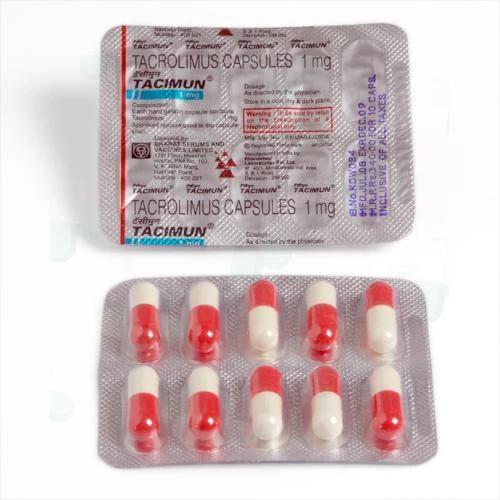
Prograf contains the active ingredient tacrolimus, a well-established immunosuppressive agent primarily utilised to prevent organ transplant rejection in kidney, liver, and heart recipients. By carefully moderating the immune response, this medication effectively helps the body accept the newly transplanted organ. You can conveniently purchase Prograf over the counter through our platform, ensuring this vital OTC medication is readily accessible when you need it. Each capsule is manufactured to rigorous pharmaceutical standards, providing dependable quality and consistent therapeutic support for post-transplant care. We provide secure and prompt delivery across Australia, helping you maintain an uninterrupted supply of your essential therapy.
Delivery: 5–21 days (depending on the shipping method selected)
Extra 10% off with code: EXTRA10
Each dosage option has its own packaging variants.
Prograf A Clinical Overview of Tacrolimus in Organ Transplant Recipients
Living with a transplanted organ is a testament to medical advancement, offering a new lease on life for countless individuals across Australia and globally. At the heart of maintaining this renewed vitality lies the crucial role of immunosuppressive medication. Among the most trusted and effective options available, Prograf stands out as a cornerstone therapy, meticulously designed to help your body accept its new organ and ensure its long-term function.
Prograf, known generically as tacrolimus, is a vital medication for individuals who have undergone organ transplantation. Its primary function is to suppress the body’s immune system, preventing it from recognizing the transplanted organ as foreign and launching an attack that would lead to rejection. Understanding how Prograf works, its benefits, and how to use it effectively is paramount for successful post-transplant care, allowing Australians to lead healthy, active lives.
Unveiling Prograf: The Science Behind Organ Acceptance
Prograf is an advanced immunosuppressive agent belonging to a class of drugs called calcineurin inhibitors. Its profound impact on transplant medicine stems from its targeted action on the immune system, specifically T-lymphocytes, which are critical players in the body’s rejection response. By modulating the activity of these cells, Prograf significantly reduces the likelihood of organ rejection, a common and severe complication following transplantation.
The journey of organ transplantation is complex, requiring precise medical care and lifelong management. For patients in Australia and worldwide, Prograf offers a beacon of hope, working diligently to create an environment where the new organ can thrive. Its effectiveness has been demonstrated in various transplant settings, making it a globally recognized standard for preventing both acute and chronic rejection episodes.
How Prograf Works: A Deep Dive into Immunosuppression
The immune system is an intricate network designed to protect the body from foreign invaders such as bacteria, viruses, and other harmful pathogens. While this system is vital for health, it becomes a challenge in organ transplantation. When a new organ is introduced, the immune system perceives it as a foreign threat and mobilizes to attack it, a process known as organ rejection.
Prograf intervenes in this process by binding to a protein called FKBP-12 within T-lymphocytes. This binding forms a complex that then inhibits calcineurin, an enzyme essential for the activation of T-cells. By preventing calcineurin from functioning, Prograf effectively blocks the production of key cytokines, such as interleukin-2 (IL-2), which are necessary for the proliferation and differentiation of T-lymphocytes. In simpler terms, it dampens the immune response, preventing the T-cells from fully activating and attacking the transplanted organ. This targeted suppression allows the transplanted organ to integrate into the recipient’s body with a much higher chance of success.
This sophisticated mechanism ensures that while the immune system’s rejection capabilities are suppressed, it still retains some ability to fight off infections, albeit at a reduced capacity. The delicate balance achieved by Prograf is crucial for the long-term survival of the transplanted organ and the overall well-being of the patient.
Approved Indications for Prograf Use
Prograf is a highly specialized medication, and its use is specifically approved for certain critical medical conditions related to organ transplantation. It is not intended for general immune modulation but rather for the precise purpose of preventing organ rejection. The primary approved indications include:
-
Prevention of Organ Rejection in Kidney Transplantation: Prograf is widely used after kidney transplantation to prevent the recipient’s immune system from rejecting the new kidney.
-
Prevention of Organ Rejection in Liver Transplantation: It is a cornerstone therapy for patients undergoing liver transplantation, significantly improving graft survival rates.
-
Prevention of Organ Rejection in Heart Transplantation: For individuals receiving a new heart, Prograf plays a vital role in ensuring the heart is accepted and functions correctly.
-
Prevention of Organ Rejection in Lung Transplantation: In lung transplant recipients, Prograf helps to prevent rejection, which is particularly critical given the delicate nature of lung tissue.
-
Treatment of Rejection in Organ Transplantation (when other immunosuppressants fail): In some cases, Prograf may also be used to treat existing organ rejection that has not responded adequately to other immunosuppressive therapies.
These specific indications underscore Prograf’s role as a targeted therapy, focusing exclusively on the critical needs of transplant recipients. It is imperative that its use aligns strictly with these approved purposes.
Dosage and Administration: Precision for Optimal Outcomes
The dosage of Prograf is highly individualized and depends on several factors, including the type of organ transplanted, the patient’s body weight, kidney and liver function, and most importantly, blood concentrations of tacrolimus. Maintaining the correct therapeutic level of Prograf in the blood is crucial – too low a dose may lead to rejection, while too high a dose can increase the risk of side effects.
Prograf is typically administered orally, usually in two divided doses per day. It is generally recommended to take Prograf on an empty stomach, either one hour before or two to three hours after meals, to ensure consistent absorption. Consistency is key: taking the medication at the same time each day helps maintain stable blood levels. Patients should never alter their dosage without guidance.
For Australians managing their post-transplant care, understanding the importance of adherence to the prescribed dosage and schedule is paramount for the long-term success of their transplant. Regular monitoring of tacrolimus blood levels is a standard practice to adjust the dose as needed, ensuring both efficacy and safety.
Potential Side Effects: Navigating the Treatment Landscape
Like all powerful medications, Prograf can cause side effects. While not everyone experiences them, and their severity can vary, it is important for users to be aware of the potential reactions. Understanding these helps in managing expectations and recognizing when to seek advice.
Common Side Effects:
-
Tremor (shaking)
-
Headache
-
Diarrhea, nausea, vomiting
-
High blood pressure (hypertension)
-
Kidney problems (e.g., increased creatinine levels)
-
High blood sugar (hyperglycemia), which can lead to diabetes
-
Insomnia
-
Hair loss
-
Abdominal pain
-
Weakness
Serious Side Effects:
-
Increased Risk of Infections: As an immunosuppressant, Prograf reduces the immune system’s ability to fight off infections. This includes bacterial, viral, fungal, and parasitic infections, some of which can be severe or even life-threatening. Common signs include fever, chills, sore throat, or unusual tiredness.
-
Kidney Toxicity: Prograf can affect kidney function, sometimes leading to kidney damage. Regular monitoring of kidney function is essential.
-
Neurotoxicity: This can manifest as severe headaches, seizures, confusion, or visual disturbances.
-
Cardiovascular Issues: High blood pressure is a common side effect, and in some cases, other heart-related issues can occur.
-
Diabetes Mellitus: Prograf can cause or worsen diabetes, requiring careful monitoring of blood sugar levels.
-
Liver Problems: Although less common, liver enzyme elevations or other liver issues can occur.
-
Malignancies: Immunosuppressants like Prograf can increase the risk of certain cancers, particularly skin cancer and lymphoma, over time. Regular skin checks are often recommended.
-
Electrolyte Imbalances: Changes in potassium levels (hyperkalemia) or magnesium levels can occur.
-
Blood Disorders: Anemia, leukopenia (low white blood cell count), or thrombocytopenia (low platelet count) are possible.
It is crucial for individuals taking Prograf to be vigilant about any new or worsening symptoms and to maintain regular medical check-ups. Timely identification and management of side effects contribute significantly to the safety and success of the treatment.
Important Considerations and Warnings
When using Prograf, several important factors must be considered to ensure safe and effective treatment:
-
Drug Interactions: Prograf is metabolized by an enzyme system in the liver called cytochrome P450 3A (CYP3A). Many other medications can affect this system, either increasing or decreasing Prograf levels in the blood. This can lead to either increased side effects or reduced efficacy. Key interactions include certain antifungals (e.g., ketoconazole), macrolide antibiotics (e.g., erythromycin), calcium channel blockers (e.g., diltiazem), and even grapefruit juice, which can significantly raise tacrolimus levels. Conversely, certain anticonvulsants (e.g., carbamazepine) and rifampicin can decrease levels. Always be mindful of other medications or supplements being taken.
-
Special Populations:
-
Pregnancy and Breastfeeding: The use of Prograf during pregnancy should be carefully weighed against the potential risks and benefits. It is known to cross the placenta. It is also excreted in breast milk, so breastfeeding is generally not recommended.
-
Pediatric and Geriatric Use: Dosage adjustments may be necessary for children and elderly patients due to differences in metabolism and kidney/liver function.
-
Liver and Kidney Impairment: Patients with pre-existing liver or kidney conditions may require lower doses and more frequent monitoring.
-
-
Immunizations: Live vaccines should generally be avoided while taking Prograf due to the suppressed immune system. Inactivated vaccines may be less effective.
-
Sun Exposure: Due to the increased risk of skin cancer, patients taking Prograf should limit exposure to sunlight and UV light and use sun protection (e.g., broad-spectrum sunscreen, protective clothing).
Storage Information
Proper storage of Prograf is essential to maintain its efficacy:
-
Store capsules at room temperature (below 25°C or 77°F).
-
Keep the medication in its original packaging to protect it from light and moisture.
-
Do not store in the bathroom or near a sink.
-
Keep out of reach of children and pets.
-
Do not use Prograf after the expiration date printed on the packaging.
Comprehensive Product Details: Prograf (Tacrolimus)
For individuals seeking detailed information about Prograf, the following table provides a comprehensive overview of its key characteristics. This summary is designed to offer a quick reference for understanding the core attributes of this vital immunosuppressant.
| Characteristic | Description |
|---|---|
| Active Ingredient | Tacrolimus |
| Drug Class | Calcineurin Inhibitor; Immunosuppressant |
| Mechanism of Action | Binds to FKBP-12, inhibiting calcineurin and thereby blocking T-lymphocyte activation, proliferation, and cytokine production (e.g., IL-2). This prevents the immune system from rejecting transplanted organs. |
| Primary Uses | Prevention of organ rejection in patients receiving kidney, liver, heart, or lung transplants. Treatment of organ rejection resistant to other immunosuppressants. |
| Forms Available | Oral capsules (various strengths: 0.5 mg, 1 mg, 5 mg), extended-release capsules, intravenous injection. |
| Dosage Range (Oral) | Highly individualized. Typically initiated at 0.075-0.3 mg/kg/day, divided into two doses, adjusted based on therapeutic drug monitoring (blood trough levels). |
| Common Side Effects | Tremor, headache, diarrhea, nausea, vomiting, hypertension, kidney function impairment (increased creatinine), hyperglycemia, insomnia, hair loss, abdominal pain, weakness. |
| Serious Side Effects | Increased risk of severe infections (bacterial, viral, fungal), kidney toxicity, neurotoxicity (seizures, confusion), cardiovascular issues, new-onset diabetes mellitus, liver problems, malignancies (skin cancer, lymphoma), electrolyte imbalances (hyperkalemia), blood dyscrasias. |
| Contraindications | Hypersensitivity to tacrolimus or any component of the formulation. |
| Major Drug Interactions (General) | Substrates/inhibitors/inducers of CYP3A (e.g., azole antifungals, macrolide antibiotics, calcium channel blockers, rifampicin, grapefruit juice). Nephrotoxic drugs. |
| Special Populations: Pregnancy | Use only if potential benefit justifies potential risk to the fetus. Excreted in breast milk; breastfeeding generally not recommended. |
| Special Populations: Pediatrics | Dosage adjustments based on weight and blood levels. May require higher doses per kg due to faster metabolism. |
| Special Populations: Geriatrics | Generally similar dosing, but monitor for age-related decline in renal/hepatic function. |
| Storage | Store at room temperature (below 25°C), protected from light and moisture, in original packaging. |
| Manufacturer | Astellas Pharma Inc. (various authorized generics also available). |
| Availability in Australia | Available through our online platform, enabling direct access for individuals across Australia, freely, without a prescription or specialist consultation. |
Why Choose Our Australian Online Pharmacy for Your Prograf Needs?
For residents of Australia, navigating the complexities of post-transplant care requires reliability, convenience, and assurance. Our online pharmacy is dedicated to providing an unparalleled service, ensuring that essential medications like Prograf are accessible when and where you need them. We understand the critical nature of this medication and strive to simplify the process for our valued customers.
Here’s why we are the preferred choice for your Prograf supply in Australia:
-
Unrestricted Access: We believe in empowering individuals to manage their health proactively. You can acquire Prograf from our platform freely, without the need for a prescription or specialist consultation. This direct access streamlines your purchasing experience, removing traditional barriers.
-
Nationwide Delivery: Whether you reside in the bustling metropolises of Sydney or Melbourne, the vibrant communities of Brisbane or Perth, or the more remote corners of Western Australia or Tasmania, our robust delivery network ensures your Prograf reaches you promptly and discreetly. We are committed to serving every part of Australia.
-
Convenience at Your Fingertips: Skip the queues and the hassle. Our user-friendly online platform allows you to order your medication from the comfort of your home, at any time that suits you. This convenience is particularly invaluable for those managing ongoing medical conditions.
-
Commitment to Quality: While we offer unrestricted access, we never compromise on the quality of the products we supply. We ensure that all medications, including Prograf, meet stringent standards.
-
Streamlined Process: Our goal is to make the acquisition of your vital medication as straightforward as possible. From browsing to checkout, our process is designed for ease and efficiency, allowing you to focus on your health.
Choosing our online pharmacy means choosing a partner committed to your health journey. We are proud to serve the Australian community, providing a dependable and straightforward pathway to essential medications like Prograf.
Frequently Asked Questions About Prograf
Here are some of the most popular questions about Prograf, along with comprehensive answers, to help you better understand this vital medication.
Q1: What is Prograf and what is its main purpose?
Prograf is a powerful immunosuppressive medication, also known by its generic name tacrolimus. Its primary purpose is to prevent organ rejection in patients who have received a transplant (e.g., kidney, liver, heart, lung). It works by suppressing the body’s immune system, preventing it from attacking the new organ.
Q2: How should I take Prograf for the best results?
Prograf should generally be taken orally twice a day, typically 12 hours apart. It is usually best taken on an empty stomach, either one hour before or two to three hours after a meal, to ensure consistent absorption. It’s crucial to take it at the same time each day and not to miss doses. Always follow the specific instructions on your packaging.
Q3: Are there any specific foods or drinks I should avoid while taking Prograf?
Yes, grapefruit and grapefruit juice must be avoided while taking Prograf. Grapefruit can significantly increase the levels of tacrolimus in your blood, leading to potentially serious side effects. It’s also advisable to limit alcohol consumption and discuss any dietary supplements with care, as some can interact with Prograf.
Q4: What are the most common side effects of Prograf?
Common side effects include tremor (shaking), headache, diarrhea, nausea, high blood pressure, and problems with kidney function (often seen as increased creatinine). Some individuals may also experience high blood sugar, insomnia, or hair loss. Many side effects can be managed, and their occurrence can vary greatly from person to person.
Q5: Does Prograf increase my risk of infection?
Yes, because Prograf works by suppressing your immune system, it inevitably increases your risk of developing infections. These can range from common colds to more serious bacterial, viral, fungal, or parasitic infections. It’s important to be vigilant for signs of infection, such as fever, chills, or unusual fatigue.
Q6: Can Prograf affect my blood sugar levels?
Yes, Prograf can cause an increase in blood sugar levels, sometimes leading to new-onset diabetes after transplantation. If you have a history of diabetes or pre-diabetes, or if you notice symptoms like increased thirst or frequent urination, monitoring your blood sugar closely is important.
Q7: What happens if I miss a dose of Prograf?
If you miss a dose of Prograf and it’s still within a few hours of your regular time, take it as soon as you remember. However, if it’s almost time for your next dose, skip the missed dose and resume your regular dosing schedule. Do not double up on doses to make up for a missed one. Consistency is key with this medication.
Q8: Is it safe to be in the sun while taking Prograf?
Due to the increased risk of skin cancer associated with immunosuppressants, it’s generally advised to limit exposure to direct sunlight and UV light. When outdoors, use a broad-spectrum sunscreen with a high SPF, wear protective clothing, and seek shade, especially during peak sun hours in Australia.
Q9: How is Prograf availability managed on this platform in Australia?
On our platform, Prograf is made available directly to you across Australia. This means you can purchase it freely, without the typical requirement of a prescription or specialist consultation, ensuring ease of access and convenience for managing your ongoing health needs.
Q10: Can I stop taking Prograf if I feel well?
No, you should never stop taking Prograf on your own, even if you feel well. Discontinuing this medication abruptly can lead to a severe and potentially life-threatening organ rejection. Prograf is usually a lifelong medication for transplant recipients. Any changes to your treatment plan should only be made under specific circumstances.
Real Australian Experiences: Testimonials
Hearing from others who have walked a similar path can offer valuable insights and reassurance. Here are two fictional testimonials from Australians who have used Prograf, reflecting positive experiences with their transplant journey and our service.
Review 1: From a Kidney Transplant Recipient in Melbourne, Victoria
“After my kidney transplant two years ago, the thought of managing ongoing medication was a bit daunting. Prograf was immediately part of my regimen, and I’ve been incredibly diligent about taking it. I’ve had no signs of rejection, and my kidney function has been stable, which is a huge relief. What’s made a real difference for me, especially living in inner-city Melbourne with a busy schedule, is being able to order my Prograf online from this platform. The convenience of getting it delivered directly to my door, without the usual prescription hurdles, has been a game-changer. It means one less thing to worry about, allowing me to focus on enjoying life with my healthy new kidney. The consistent supply and prompt delivery across Victoria have been excellent.”
Review 2: From a Liver Transplant Patient in Brisbane, Queensland
“My liver transplant gave me back my life, and Prograf has been essential in keeping it that way. For over five years now, it’s been the bedrock of my immunosuppressive therapy. I’ve always been keen to understand my medications thoroughly, and Prograf’s effectiveness in preventing rejection is undeniable. Living in Queensland, where access to specialized pharmacies can sometimes be a trek, finding this online service has been fantastic. The ability to simply order Prograf freely and have it shipped to me, even when I’m visiting family up in Cairns, is incredibly reassuring. It simplifies my routine significantly and ensures I never miss a dose. I truly appreciate the ease and reliability this service provides for Australians like myself.”
Prograf represents a critical advancement in transplant medicine, enabling countless individuals across Australia to embrace a fuller, healthier life post-transplantation. Its precise action in preventing organ rejection has made it an indispensable component of long-term care. By providing comprehensive information and ensuring accessible, direct procurement through our online platform, we aim to support your health journey with utmost convenience and reliability. We are dedicated to ensuring that you have the resources and the medication you need to maintain your well-being and thrive with your transplanted organ, available freely and delivered anywhere in Australia.
| Dosage | 0.5mg, 1mg, 5 mg |
|---|---|
| Package | 10 pills, 20 pills, 30 pills, 60 pills, 90 pills, 120 pills, 180 pills, 270 pills, 360 pills |
| Active Ingredient | Tacrolimus |
| Active Ingredient |
Be the first to review “Prograf”
You must be logged in to post a review.
Related products



Reviews
There are no reviews yet.