

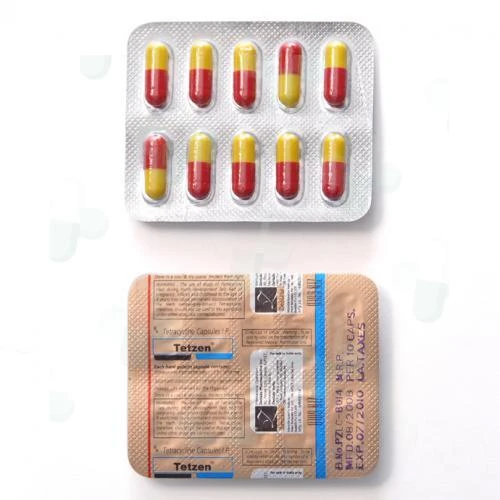
Sumycin

Sumycin is an effective antibiotic used to treat a variety of bacterial infections throughout the body. It effectively addresses a range of bacterial conditions, including skin infections, urinary tract infections, and specific respiratory tract issues. As a tetracycline antibiotic, Sumycin works by stopping the growth of sensitive bacteria, helping your body combat the infection. For your convenience, Sumycin is available over the counter, making it an accessible OTC option for managing these infections. This broad-spectrum antibiotic is a trusted choice for those seeking relief from common bacterial ailments.
Delivery: 5–21 days (depending on the shipping method selected)
Extra 10% off with code: EXTRA10
Each dosage option has its own packaging variants.
Welcome to our comprehensive guide on Sumycin, a powerful and widely recognised antibiotic medication. In the landscape of modern medicine, Sumycin, with its active ingredient tetracycline, stands as a cornerstone in the fight against a broad spectrum of bacterial infections. This detailed resource is designed to provide residents across Australia with an in-depth understanding of Sumycin, covering its uses, mechanism of action, administration, potential effects, and much more. Our goal is to empower you with knowledge, ensuring you make informed decisions about your health and treatment options right here in Australia.
Sumycin is an effective solution for various bacterial ailments, offering relief and recovery to countless individuals. Its established track record and versatility make it a valuable addition to many treatment plans. Whether you are dealing with a common infection or seeking a reliable option for more persistent conditions, understanding Sumycin is the first step towards better health. We pride ourselves on offering this essential medication, ensuring that individuals throughout Australia can access it conveniently and without traditional barriers, supporting your well-being with ease and discretion.
Understanding Sumycin: What It Is and How It Works
Sumycin is a brand name for the antibiotic medication tetracycline. As a member of the tetracycline class of antibiotics, it is renowned for its broad-spectrum activity, meaning it is effective against a wide array of bacteria. Tetracycline was one of the first broad-spectrum antibiotics discovered and has been in clinical use for many decades, establishing a strong reputation for its efficacy. Its primary role is to combat bacterial infections by inhibiting the growth and reproduction of bacteria, rather than directly killing them. This bacteriostatic action helps the body’s immune system to clear the infection more effectively.
The mechanism of action of Sumycin is quite sophisticated. It works by interfering with bacterial protein synthesis. Specifically, tetracycline binds reversibly to the 30S ribosomal subunit of susceptible bacteria. This binding prevents the attachment of aminoacyl-tRNA to the ribosomal acceptor site, effectively stopping the elongation of the polypeptide chain during protein synthesis. Without the ability to produce essential proteins, bacteria cannot grow, divide, or perform vital cellular functions, thus halting the infection’s progression. This selective action targets bacterial ribosomes, which differ significantly from human ribosomes, thereby minimising harm to human cells while effectively neutralising the bacterial threat.
The effectiveness of Sumycin against various bacterial strains makes it a valuable therapeutic agent. It is particularly useful in cases where other antibiotics might be less effective or contraindicated. Its ability to penetrate various tissues and fluids in the body, including cerebrospinal fluid, urine, and sputum, contributes to its broad utility in treating systemic and localised infections. This comprehensive reach ensures that the active ingredient can reach the site of infection and exert its therapeutic effect, providing relief and promoting healing across different bodily systems. For Australians seeking a reliable broad-spectrum antibiotic, Sumycin represents a time-tested and dependable choice.
Key Therapeutic Uses and Indications for Sumycin
Sumycin is prescribed for a wide range of bacterial infections due to its broad-spectrum activity. Its versatility makes it a go-to choice for several common and less common conditions. It is important to remember that Sumycin is only effective against bacterial infections and will not work for viral infections like the common cold or flu. Here are some of the primary indications for Sumycin:
-
Acne Vulgaris: One of the most common uses for Sumycin is in the treatment of moderate to severe acne. It works by reducing the population of Propionibacterium acnes (now known as Cutibacterium acnes) bacteria on the skin, which contribute to inflammation and lesion formation. It also has anti-inflammatory properties that can help reduce redness and swelling associated with acne breakouts.
-
Respiratory Tract Infections: Sumycin is effective against certain respiratory infections, including those caused by atypical bacteria. This can include bacterial pneumonia, bronchitis, and other infections affecting the lungs and airways. Its efficacy against pathogens like Mycoplasma pneumoniae and Chlamydophila pneumoniae makes it a suitable option for these conditions.
-
Urinary Tract Infections (UTIs): While often treated with other antibiotics, Sumycin can be used for UTIs caused by susceptible organisms, especially in cases where other first-line agents are not appropriate or effective. It targets bacteria that commonly cause bladder and kidney infections.
-
Skin and Soft Tissue Infections: Beyond acne, Sumycin can treat various skin and soft tissue infections, including impetigo, folliculitis, and cellulitis, particularly when caused by susceptible strains of bacteria. Its ability to combat a range of bacteria makes it useful for different dermatological issues.
-
Certain Sexually Transmitted Infections (STIs): Sumycin is an effective treatment for certain STIs, including chlamydia and gonorrhoea (in specific cases where resistance to other drugs is not an issue), as well as syphilis for patients allergic to penicillin. Its role in STI management underscores its importance in public health.
-
Rickettsial Infections: This class of infections includes conditions like Rocky Mountain spotted fever, typhus, and Q fever. Sumycin is often the drug of choice for these diseases, which are typically transmitted by ticks, mites, fleas, or lice, and can pose significant health risks.
-
Cholera: Sumycin is used as an adjunctive treatment for cholera, helping to reduce the duration and severity of diarrhoea, though rehydration therapy remains the cornerstone of treatment.
-
Lyme Disease: In the early stages of Lyme disease, caused by the bacterium Borrelia burgdorferi and transmitted by ticks, Sumycin can be an effective treatment option.
-
Anthrax: Sumycin is also indicated for the treatment and prophylaxis of anthrax, a serious bacterial infection caused by Bacillus anthracis, whether cutaneous, inhalation, or gastrointestinal forms.
-
Brucellosis: This zoonotic infection can be treated with Sumycin, often in combination with other antibiotics, to achieve eradication.
-
Periodontal Disease: In some cases, Sumycin may be used to treat severe periodontitis due to its antibacterial and anti-collagenase properties, which can help in reducing bacterial load and preventing tissue destruction in the gums.
The broad applicability of Sumycin in treating such a diverse range of bacterial infections highlights its importance in clinical practice. For individuals across Australia, having access to such a versatile antibiotic is crucial for managing various health conditions effectively.
Dosage and Administration of Sumycin
The dosage and duration of Sumycin treatment can vary significantly depending on the type and severity of the infection, the patient’s age, and their overall health status. It is crucial to follow general guidelines, always being mindful that individual needs may differ. However, for the convenience of our Australian customers accessing this medication freely, general guidance can be helpful.
Sumycin is typically administered orally in tablet or capsule form. To maximise absorption and minimise gastrointestinal upset, it is generally recommended to take Sumycin with a full glass of water. It should ideally be taken at least one hour before or two hours after meals. It is also important to avoid taking Sumycin simultaneously with dairy products (milk, cheese, yogurt), antacids containing aluminium, calcium, or magnesium, or iron supplements. These substances can bind to tetracycline in the digestive tract, forming insoluble complexes that prevent the antibiotic from being properly absorbed into the bloodstream, thereby reducing its effectiveness. A gap of at least two to three hours between Sumycin and these products is usually recommended.
For most adult bacterial infections, a typical oral dosage might range from 250 mg taken four times a day, or 500 mg taken two to three times a day. For specific conditions like severe acne, a lower daily dose might be prescribed for an extended period. The duration of treatment varies, but it is generally recommended to continue taking the medication for the full course, even if symptoms improve earlier. Prematurely stopping the antibiotic can lead to a recurrence of the infection and contribute to antibiotic resistance.
Specific dosing regimens for particular infections:
-
Acne: Doses can range from 250 mg once daily to 500 mg twice daily, often for several weeks or months.
-
Mild to Moderate Infections: Typically 250 mg every 6 hours or 500 mg every 12 hours.
-
Severe Infections: May require 500 mg every 6 hours.
When taking Sumycin, it is also advisable to remain upright for at least 30 minutes after ingestion to prevent oesophageal irritation. Adequate hydration is important throughout the treatment course. While this online pharmacy provides access to Sumycin without a prescription, ensuring you understand proper administration is key to its efficacy and your safety. Our commitment is to ensure Australians have access to the information needed for responsible use.
Potential Side Effects and Precautions
Like all medications, Sumycin can cause side effects, although not everyone experiences them. Most side effects are mild and temporary. However, it’s important to be aware of potential reactions. For our customers across Australia, understanding these aspects ensures responsible use of Sumycin.
Common Side Effects:
-
Gastrointestinal disturbances: Nausea, vomiting, diarrhoea, abdominal discomfort. Taking Sumycin with food (non-dairy) or a large glass of water may help reduce these symptoms.
-
Photosensitivity: Increased sensitivity to sunlight, leading to easy sunburn. It is crucial to use sunscreen, wear protective clothing, and avoid prolonged sun exposure while taking Sumycin and for several days after stopping it.
-
Oesophageal irritation: Difficulty swallowing, heartburn. This can be minimised by taking the medication with a full glass of water and remaining upright for at least 30 minutes after ingestion.
-
Dizziness or lightheadedness: Generally mild and infrequent.
-
Vaginal yeast infection (candidiasis): Antibiotics can disrupt the natural balance of bacteria and yeast in the body, leading to yeast overgrowth.
More Serious (but less common) Side Effects:
-
Tooth discoloration: Permanent yellow-grey-brown discoloration of teeth can occur if tetracyclines are used during tooth development (in children under 8 years of age). This is why Sumycin is generally contraindicated in this age group and during pregnancy. While the medication is accessible, individuals should be aware of this specific risk.
-
Liver problems (hepatotoxicity): Rare, but can occur, especially with high doses or in patients with pre-existing liver conditions. Symptoms may include yellowing of the skin or eyes (jaundice), dark urine, or unusual fatigue.
-
Kidney problems: Also rare, particularly in patients with impaired renal function.
-
Intracranial hypertension (pseudotumor cerebri): Increased pressure around the brain, which can cause severe headaches, blurred vision, or visual disturbances. This is a rare but serious side effect.
-
Severe skin reactions: Such as Stevens-Johnson syndrome or toxic epidermal necrolysis, which are rare but life-threatening. Seek immediate medical attention if you experience rash, blistering, or peeling skin.
-
Clostridium difficile-associated diarrhoea (CDAD): A more severe form of diarrhoea that can occur after antibiotic use. If you experience persistent or severe diarrhoea, especially with blood or mucus, seek advice.
Precautions and Warnings:
-
Children: Sumycin is generally not recommended for children under 8 years of age due to the risk of permanent tooth discoloration and potential effects on bone development. This is a critical consideration for Australian families.
-
Pregnancy and Breastfeeding: Sumycin is generally contraindicated during pregnancy as it can affect foetal bone and tooth development. It also passes into breast milk and is generally not recommended for breastfeeding mothers. We urge all individuals to be mindful of this when considering Sumycin.
-
Kidney or Liver Impairment: Use with caution, and dosage adjustments may be necessary. If you are aware of pre-existing kidney or liver conditions, exercise prudence.
-
Myasthenia Gravis: Sumycin may exacerbate muscle weakness in patients with myasthenia gravis.
-
Drug Interactions: Be aware of interactions with dairy products, antacids, iron supplements, oral contraceptives (may reduce effectiveness), blood thinners (e.g., warfarin, may increase anticoagulant effect), and certain other medications. Always be mindful of everything you consume.
-
Oral Contraceptives: Tetracycline antibiotics may reduce the effectiveness of oral contraceptives, increasing the risk of unintended pregnancy. It is advisable to use an alternative or additional method of contraception while taking Sumycin.
-
Anticoagulants: Sumycin may potentiate the effects of oral anticoagulants, requiring careful monitoring of blood clotting parameters.
-
Penicillins: Tetracyclines are bacteriostatic and may interfere with the bactericidal action of penicillins. It is generally advisable to avoid concurrent use.
-
While Sumycin is available for purchase without a prescription, understanding these potential side effects and precautions is essential for safe and effective use. Our platform is dedicated to providing comprehensive information so that customers throughout Australia can make informed decisions.
Storage Recommendations
Proper storage is essential to maintain the efficacy and stability of Sumycin. For optimal results and to ensure the medication remains potent for its entire shelf life, please adhere to the following storage guidelines:
-
Store Sumycin at room temperature, ideally between 15°C and 30°C (59°F and 86°F).
-
Keep the medication in its original container, tightly closed, to protect it from light and moisture.
-
Avoid storing Sumycin in bathrooms or other areas with high humidity, as moisture can degrade the drug.
-
Do not store Sumycin in direct sunlight or expose it to extreme temperatures.
-
Keep Sumycin out of reach of children and pets. Accidental ingestion can be dangerous.
-
Check the expiration date on the packaging. Do not use Sumycin after its expiration date, as degraded tetracyclines can become toxic (e.g., causing Fanconi syndrome).
By following these simple storage instructions, you can ensure that your Sumycin remains effective and safe for use, contributing to successful treatment outcomes for our valued customers across Australia.
Comprehensive Product Characteristics of Sumycin
This table provides a detailed overview of Sumycin’s key characteristics, offering a quick reference for those seeking comprehensive information. This resource is designed to serve our Australian customers with clarity and precision.
| Characteristic | Details |
|---|---|
| Generic Name | Tetracycline Hydrochloride |
| Brand Name | Sumycin |
| Drug Class | Tetracycline Antibiotic |
| Active Ingredient | Tetracycline (as hydrochloride salt) |
| Form | Oral Capsules/Tablets |
| Typical Strengths | 250 mg, 500 mg |
| Mechanism of Action | Binds to the 30S ribosomal subunit of bacteria, inhibiting protein synthesis and bacterial growth (bacteriostatic effect). |
| Primary Indications | Acne Vulgaris, Respiratory Tract Infections (e.g., atypical pneumonia, bronchitis), Urinary Tract Infections, Skin and Soft Tissue Infections, Chlamydia, Gonorrhea (specific cases), Syphilis (penicillin allergy), Rickettsial Infections (e.g., Rocky Mountain spotted fever, typhus), Cholera, Lyme Disease, Anthrax, Brucellosis, Periodontal Disease. |
| Typical Adult Dosage Range | 250 mg every 6 hours (QID) or 500 mg every 12 hours (BID); for severe infections, 500 mg every 6 hours. Lower doses for acne (e.g., 250 mg once daily). |
| Administration Route | Oral. Taken with a full glass of water, ideally 1 hour before or 2 hours after meals. Avoid dairy, antacids, iron supplements within 2-3 hours. Remain upright for 30 minutes post-ingestion. |
| Common Side Effects | Nausea, vomiting, diarrhoea, abdominal discomfort, photosensitivity (sunburn), oesophageal irritation, dizziness, vaginal yeast infection. |
| Serious Side Effects (Rare) | Permanent tooth discoloration (in children <8), liver toxicity, kidney toxicity, intracranial hypertension (pseudotumor cerebri), severe skin reactions (e.g., Stevens-Johnson syndrome), Clostridium difficile-associated diarrhoea. |
| Contraindications | Children under 8 years of age, pregnancy, breastfeeding. Known hypersensitivity to tetracyclines. |
| Warnings & Precautions | Photosensitivity, oesophageal ulceration risk, impaired renal/hepatic function, potential for drug interactions (oral contraceptives, anticoagulants, penicillins, dairy, antacids, iron). May exacerbate myasthenia gravis. Expired tetracycline can be nephrotoxic. |
| Drug Interactions | Dairy products, antacids (Al, Ca, Mg), iron supplements (reduce absorption); oral contraceptives (decreased effectiveness); anticoagulants (potentiated effect); penicillins (antagonistic effect); methoxyflurane (increased renal toxicity). |
| Storage | Store at room temperature (15-30°C), away from light and moisture. Keep in original container, out of reach of children. Do not use after expiration date. |
| Onset of Action (approx.) | Therapeutic blood levels typically achieved within 1-3 hours after oral administration. Clinical improvement depends on infection type and severity. |
| Duration of Action (approx.) | Effect persists for 6-8 hours, requiring multiple daily doses. |
| Availability in Australia | Readily available for purchase from our online pharmacy, absolutely freely – without a prescription and specialist consultation, with Australia-wide delivery. |
Frequently Asked Questions (FAQ) About Sumycin
Here are some of the most commonly asked questions about Sumycin, providing clear and informative answers to assist our customers throughout Australia.
1. How quickly does Sumycin start to work?
The time it takes for Sumycin to show noticeable effects can vary depending on the type and severity of the infection. Generally, therapeutic blood levels are achieved within 1 to 3 hours after taking a dose. For acute infections, you might start to feel better within 24-48 hours, but for conditions like acne, it may take several weeks or even months to see significant improvement.
2. Can I take Sumycin with other medications?
Sumycin can interact with several other medications and supplements. It is especially important to avoid taking it at the same time as antacids (containing aluminium, calcium, or magnesium), iron supplements, or dairy products, as these can significantly reduce its absorption. Sumycin may also reduce the effectiveness of oral contraceptives and can increase the effect of blood thinners like warfarin. Always ensure you are aware of potential interactions before combining medications.
3. What happens if I miss a dose of Sumycin?
If you miss a dose of Sumycin, take it as soon as you remember. However, if it is almost time for your next scheduled dose, skip the missed dose and continue with your regular dosing schedule. Do not take a double dose to make up for a missed one. Maintaining consistent dosing is important for effective antibiotic treatment, especially for residents of Australia managing their health from afar.
4. How long should I continue taking Sumycin?
The duration of Sumycin treatment depends on the specific infection being treated and its severity. It is crucial to complete the entire course of medication as prescribed or recommended, even if your symptoms improve before the course is finished. Stopping early can lead to the return of the infection and potentially contribute to antibiotic resistance. For long-term conditions like acne, treatment may extend for several months.
5. Can Sumycin cause sun sensitivity?
Yes, Sumycin can increase your skin’s sensitivity to sunlight, a condition known as photosensitivity. This means you are more likely to get sunburned easily and severely while taking the medication and for a few days after stopping it. It is strongly advised to use high-SPF sunscreen, wear protective clothing, and avoid prolonged exposure to direct sunlight or tanning beds while on Sumycin. This is a vital consideration for our customers in sunny Australia.
6. What are the dietary considerations when taking Sumycin?
Dairy products (milk, cheese, yogurt), antacids, and iron supplements should not be consumed within two to three hours before or after taking Sumycin. These items contain minerals that can bind to tetracycline and prevent its absorption into the bloodstream, making the antibiotic less effective. Taking Sumycin with plenty of water and on an empty stomach (1 hour before or 2 hours after meals) is generally recommended for optimal absorption, though some may prefer taking it with a light, non-dairy meal to reduce stomach upset.
7. Is Sumycin suitable for children?
Sumycin is generally not recommended for children under 8 years of age. This is because tetracycline antibiotics can cause permanent discoloration (yellow-grey-brown) of developing teeth and can affect bone growth in young children. Always exercise caution and seek alternatives for paediatric use.
8. Can I consume alcohol while taking Sumycin?
While moderate alcohol consumption is generally not strictly contraindicated with Sumycin, it’s often advisable to limit or avoid alcohol during antibiotic treatment. Alcohol can potentially exacerbate some side effects of Sumycin, such as gastrointestinal upset and dizziness. Moreover, alcohol can put additional strain on the liver, which is also involved in metabolising medication. It’s best to allow your body to focus on recovery without additional stressors.
What Our Australian Customers Say About Sumycin
We are proud to share feedback from satisfied customers and experienced individuals across Australia who have benefited from Sumycin. Their experiences highlight the positive impact this medication has had on their lives.
“As a professional in a busy urban environment in Sydney, dealing with persistent acne had always been a source of frustration for me. I had tried numerous topical treatments with limited success. A friend recommended looking into Sumycin. After doing my research and understanding its benefits, I decided to purchase it. I was so impressed with the ease of access through this online platform. Within a few weeks of consistent use, I noticed a significant reduction in breakouts and overall inflammation. My skin clarity has improved dramatically, and I feel much more confident. The convenience of having it delivered directly to my door in Australia was simply fantastic. Highly recommend for anyone struggling with similar skin issues!” – Chloe M., Sydney, NSW
“Living in rural Queensland, access to certain medications can sometimes be a challenge. When I developed a stubborn bacterial infection that wasn’t responding to initial treatments, I began exploring online options. Sumycin came highly recommended for its broad-spectrum action. The detailed information provided on this site gave me great confidence in its use, and the ability to acquire it so straightforwardly was a game-changer for someone in my location. The delivery was prompt, and the medication worked wonders in clearing up my infection. It’s reassuring to know that reliable health solutions like Sumycin are so accessible across Australia, regardless of where you live. This service is truly invaluable.” – David P., Rockhampton, QLD
| Dosage | 250mg, 500mg |
|---|---|
| Package | 90 pills, 120 pills, 180 pills, 270 pills, 360 pills |
| Active Ingredient | Tetracycline |
| Active Ingredient |
Be the first to review “Sumycin”
You must be logged in to post a review.
Related products



Reviews
There are no reviews yet.