


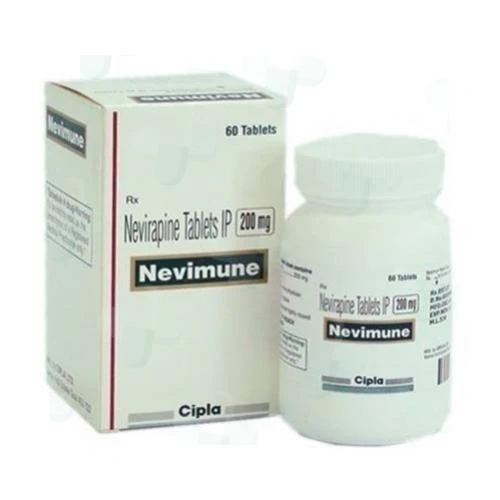
Viramune


Viramune, also known by its generic name Nevirapine, is an essential medication used in the treatment of Human Immunodeficiency Virus type 1 (HIV-1) infection. It belongs to a class of drugs called non-nucleoside reverse transcriptase inhibitors (NNRTIs), working to disrupt the virus’s ability to multiply within the body. This medication plays a crucial role as part of highly active antiretroviral therapy (HAART), often combined with other agents to manage the condition effectively. For your convenience, Viramune is available directly to Australian customers over the counter, making it an accessible OTC option. Its inclusion in treatment regimens helps to reduce viral load and improve the immune function of individuals living with HIV-1.
Delivery: 5–21 days (depending on the shipping method selected)
Extra 10% off with code: EXTRA10
Each dosage option has its own packaging variants.
Viramune Nevirapine – Mechanisms of Action and Clinical Use in HIV Therapy
Viramune, with its active pharmaceutical ingredient Nevirapine, stands as a cornerstone in the management of Human Immunodeficiency Virus type 1 (HIV-1) infection. For individuals across Australia living with HIV-1, understanding their treatment options is paramount, and Viramune offers a well-established and effective pathway as part of a comprehensive antiretroviral therapy (ART) regimen. This detailed guide aims to provide a thorough overview of Viramune, exploring its mechanism of action, therapeutic benefits, important considerations, and why it remains a vital component in the fight against HIV-1.
The journey of living with HIV-1 requires diligent management and access to reliable medication. Viramune plays a crucial role in suppressing the viral load, thereby enhancing the immune system’s strength and improving the overall quality of life for patients. In Australia, access to effective HIV-1 treatments is essential for public health, and Viramune continues to be a trusted option chosen by many for its proven efficacy. We are committed to ensuring you have all the necessary information to make informed decisions regarding your health management.
Understanding Viramune: The Science Behind Nevirapine
Viramune is an antiretroviral medication belonging to the class of non-nucleoside reverse transcriptase inhibitors (NNRTIs). Its active ingredient, Nevirapine, targets a specific enzyme essential for the replication cycle of HIV-1. HIV-1, a retrovirus, relies on reverse transcriptase to convert its RNA into DNA, a critical step before it can integrate into the host cell’s genome and begin producing new viral particles. By inhibiting this enzyme, Nevirapine effectively halts the viral replication process, reducing the viral load in the body and allowing the immune system to recover.
The strategic action of Nevirapine is to bind directly to the reverse transcriptase enzyme, causing a conformational change that renders the enzyme inactive. This non-competitive inhibition mechanism makes Viramune a powerful tool against HIV-1. Its effectiveness, when used as part of a multi-drug regimen, has been well-documented in clinical studies, demonstrating significant reductions in plasma HIV-1 RNA levels and increases in CD4+ T-cell counts. These two markers are crucial indicators of treatment success, reflecting the suppression of the virus and the recovery of the immune system, respectively. For patients across Australia, achieving these therapeutic goals means a significant improvement in long-term health outcomes and a reduced risk of opportunistic infections.
Viramune is specifically indicated for the treatment of HIV-1 infection in adults and paediatric patients. It is always used in combination with other antiretroviral agents to prevent the development of viral resistance and to achieve optimal therapeutic results. This combination therapy approach is the standard of care for HIV-1 treatment worldwide, including here in Australia, ensuring the most robust and sustained viral suppression possible. The judicious use of Viramune as part of such a regimen contributes significantly to transforming HIV-1 from a rapidly progressive disease into a manageable chronic condition, allowing individuals to lead full and productive lives.
Key Therapeutic Benefits of Viramune (Nevirapine)
The incorporation of Viramune into an antiretroviral regimen offers several profound benefits for individuals living with HIV-1:
- Significant Viral Load Reduction: Viramune effectively suppresses the replication of HIV-1, leading to a substantial decrease in the amount of virus detectable in the blood. This reduction in viral load is crucial for slowing disease progression and preventing transmission.
- Immune System Restoration: By curbing viral activity, Viramune helps the body’s immune system, particularly CD4+ T-cells, to recover. An increase in CD4+ cell counts indicates a stronger immune response, making individuals less susceptible to opportunistic infections.
- Improved Quality of Life: Effective viral suppression and immune restoration translate into improved health, increased energy levels, and a better overall quality of life for people living with HIV-1. This allows individuals to maintain their daily activities and participate actively in society, a goal shared by all healthcare providers in Australia.
- Prevention of Disease Progression: Viramune helps to prevent the progression of HIV-1 to AIDS (Acquired Immunodeficiency Syndrome) and reduces the risk of AIDS-defining illnesses.
- Established Efficacy: Nevirapine has a long history of use and proven efficacy in various clinical settings, making it a reliable choice within combination antiretroviral therapy.
The overarching aim of HIV-1 treatment, supported by medications like Viramune, is to achieve and maintain an undetectable viral load. This not only benefits the individual’s health but also significantly reduces the risk of sexual transmission of HIV-1, a concept known as “Undetectable = Untransmittable” (U=U). This public health message is vitally important across Australia and contributes to reducing new HIV-1 infections.
Dosage and Administration Guidelines for Viramune
Optimal effectiveness of Viramune hinges on strict adherence to prescribed dosage and administration schedules. Viramune is available in tablet form and as an oral suspension, offering flexibility in treatment depending on patient needs. The standard dosing regimen typically involves an initial lead-in period, followed by a maintenance dose.
- Initial Lead-In Period: For adults, treatment usually commences with a lower dose, typically 200 mg once daily, for the first 14 days. This lead-in period is critical to minimise the incidence and severity of potential skin rashes, which are common initial side effects of Nevirapine.
- Maintenance Dose: Following the 14-day lead-in period, if no severe rash or other serious adverse reactions have occurred, the dose is increased to 200 mg twice daily. It is crucial to strictly adhere to this two-week lead-in period to allow the body to adapt to the medication and mitigate adverse reactions.
- With or Without Food: Viramune can be taken with or without food. However, it should always be taken consistently, around the same time each day, to maintain stable drug levels in the body.
- Combination Therapy: Viramune must always be used in combination with at least two other antiretroviral agents. It should never be used as monotherapy, as this rapidly leads to the development of viral resistance.
- Adherence is Key: Consistent adherence to the dosing schedule is paramount. Missing doses can lead to sub-optimal drug levels, which increases the risk of viral rebound and the development of drug-resistant strains of HIV-1. Patients in Australia are encouraged to use reminder systems to help maintain perfect adherence.
- Paediatric Dosing: For paediatric patients, dosing is based on body surface area or weight, and careful calculation by a healthcare professional is required. The oral suspension form is often preferred for younger children.
Any adjustments to dosage or changes in treatment regimen should only be made under the guidance of a healthcare professional. Self-adjusting medication can have serious consequences for treatment efficacy and patient health. Maintaining open communication with your healthcare provider about any concerns or side effects is essential throughout the course of Viramune therapy.
Important Safety Information and Potential Side Effects
While Viramune is highly effective in managing HIV-1, it is essential to be aware of its safety profile and potential side effects. Like all medications, Nevirapine can cause adverse reactions, some of which can be serious. Understanding these can help in prompt recognition and management.
Common Side Effects:
- Skin Rash: This is the most common side effect, especially during the first 6 weeks of therapy and the 14-day lead-in period. Most rashes are mild to moderate and self-limiting. However, severe and life-threatening rashes can occur.
- Nausea and Vomiting: Gastrointestinal disturbances are frequently reported.
- Fatigue: Some individuals may experience tiredness or lack of energy.
- Headache: Mild to moderate headaches can occur.
- Abdominal Pain: Discomfort in the stomach area.
Serious and Potentially Life-Threatening Side Effects:
- Severe Skin Reactions: This includes Stevens-Johnson Syndrome (SJS) and toxic epidermal necrolysis (TEN), which are rare but very serious and potentially fatal. Symptoms include widespread rash, blistering, peeling skin, fever, and muscle aches. Immediate medical attention is required if these symptoms develop. Patients in Australia should be vigilant for any severe skin changes.
- Hepatotoxicity (Liver Damage): Severe and potentially fatal liver damage has been reported with Nevirapine. This risk is higher in women, particularly those with higher CD4+ cell counts at the initiation of therapy, and in patients with pre-existing liver conditions. Symptoms of liver problems include severe fatigue, loss of appetite, dark urine, yellowing of the skin or eyes (jaundice), and tenderness in the upper right abdomen. Regular liver function tests are critical, especially during the first 18 weeks of treatment.
- Hypersensitivity Reactions: Besides severe skin reactions, other hypersensitivity reactions involving symptoms like fever, joint aches, muscle aches, blistering, oral lesions, conjunctivitis, facial swelling, hepatitis, eosinophilia, and renal dysfunction have been reported.
- Immune Reconstitution Inflammatory Syndrome (IRIS): In some patients with advanced HIV-1 infection and severe immunodeficiency at the time of ART initiation, an inflammatory response to indolent or opportunistic pathogens may arise, causing clinical deterioration.
- Lipodystrophy: Long-term use of antiretrovirals, including Nevirapine, can be associated with changes in body fat distribution, including loss of fat from the face, arms, and legs, and increased fat in the abdomen, breasts, and back of the neck.
It is imperative for individuals taking Viramune to be aware of these potential side effects and to seek immediate medical attention if any severe symptoms develop, particularly concerning skin reactions or signs of liver damage. Regular monitoring by healthcare professionals, including blood tests for liver function, is crucial, especially during the initial months of treatment. Open communication with your healthcare provider about any adverse effects experienced is vital for safe and effective treatment with Viramune.
Contraindications and Precautions for Viramune Use
Before starting treatment with Viramune, certain conditions and factors must be carefully considered, as they can either contraindicate its use or necessitate special precautions.
Contraindications:
- History of Severe Rash or Hypersensitivity: Patients who have previously experienced a severe or life-threatening skin rash (such as Stevens-Johnson Syndrome or Toxic Epidermal Necrolysis) or other hypersensitivity reactions to Nevirapine or any of its excipients should not take Viramune.
- Severe Hepatic Impairment: Individuals with severe liver disease are generally contraindicated for Viramune use due to the risk of exacerbating liver damage.
- Re-initiation After Rash or Elevated Liver Enzymes: Viramune should not be re-initiated in patients who previously discontinued treatment due to a severe rash, a hypersensitivity reaction, or clinically significant liver function test abnormalities.
- Co-administration with Certain Drugs: Concomitant use with certain medications that significantly interact with Nevirapine’s metabolism (e.g., specific St. John’s wort preparations) is contraindicated.
Precautions:
- Monitoring for Rash: Close monitoring for the development of rash is essential, particularly during the first 18 weeks of therapy. Patients should be advised to report any rash immediately.
- Liver Function Monitoring: Regular monitoring of liver function tests (LFTs) is crucial, especially during the first 18 weeks of treatment, when the risk of hepatotoxicity is highest. Increased frequency of LFT monitoring is recommended for patients with a history of chronic hepatitis B or C, or elevated baseline transaminases.
- Gender and CD4 Count: Women, especially those with CD4+ cell counts greater than 250 cells/mm³ at the initiation of Nevirapine therapy, have a higher risk of symptomatic hepatic events and severe skin reactions. Similarly, men with CD4+ cell counts greater than 400 cells/mm³ are at an increased risk of hepatic events.
- Drug Interactions: Nevirapine is metabolised by the cytochrome P450 enzyme system, specifically CYP3A4 and CYP2B6. It also induces these enzymes, meaning it can increase the metabolism of other drugs, potentially reducing their effectiveness. Careful review of all concomitant medications is necessary to avoid significant drug interactions. This includes other antiretrovirals, oral contraceptives, warfarin, and certain antifungal agents, among others.
- Renal Impairment: While Nevirapine is primarily metabolised by the liver, a small portion is excreted renally. Dosage adjustments may be necessary for patients with severe renal impairment or those on dialysis.
- Pregnancy and Breastfeeding: The use of Viramune during pregnancy should be carefully considered, balancing potential benefits against risks. Breastfeeding is not recommended for mothers living with HIV-1, irrespective of their antiretroviral regimen, to prevent postnatal HIV-1 transmission.
- Immune Reconstitution Inflammatory Syndrome (IRIS): Patients starting ART, including Viramune, may experience an inflammatory response to pre-existing opportunistic infections.
Comprehensive patient education regarding these risks and the importance of adherence to monitoring schedules is vital. Patients throughout Australia should maintain an updated list of all medications they are taking and share it with their healthcare providers to ensure safe and effective use of Viramune.
Comprehensive Characteristics of Viramune (Nevirapine)
To provide a clear and concise overview, here is a detailed table summarising the key characteristics of Viramune (Nevirapine):
| Characteristic | Description |
|---|---|
| Active Ingredient | Nevirapine |
| Drug Class | Non-Nucleoside Reverse Transcriptase Inhibitor (NNRTI) |
| Primary Indication | Treatment of Human Immunodeficiency Virus type 1 (HIV-1) infection in adults and paediatric patients. |
| Mechanism of Action | Binds directly to and inactivates the reverse transcriptase enzyme of HIV-1, preventing the conversion of viral RNA into DNA and thus halting viral replication. |
| Formulations Available | Tablets (e.g., 200 mg) and Oral Suspension (for paediatric use or difficulty swallowing). |
| Standard Adult Dosage | Initial: 200 mg once daily for 14 days (lead-in period). Maintenance: 200 mg twice daily. |
| Administration | Can be taken with or without food. Should be taken consistently around the same time each day. Always used in combination with other antiretroviral agents. |
| Metabolism | Primarily hepatic, via cytochrome P450 isoenzymes (CYP3A4 and CYP2B6). Induces its own metabolism and the metabolism of other drugs. |
| Excretion | Primarily renal, with some faecal excretion. |
| Key Side Effects (Common) | Skin rash (often during first 6 weeks), nausea, vomiting, fatigue, headache, abdominal pain. |
| Key Side Effects (Serious) | Severe skin reactions (Stevens-Johnson Syndrome, Toxic Epidermal Necrolysis), severe hepatotoxicity (liver damage), hypersensitivity reactions, Immune Reconstitution Inflammatory Syndrome (IRIS). |
| Contraindications | History of severe rash/hypersensitivity to Nevirapine, severe hepatic impairment, re-initiation after severe reactions, co-administration with certain interacting drugs. |
| Drug Interactions | Significant interactions with other antiretrovirals (protease inhibitors, other NNRTIs), oral contraceptives, warfarin, certain antifungals, St. John’s wort, and others due to CYP enzyme induction. |
| Monitoring Requirements | Close monitoring for rash and liver function tests (LFTs) is crucial, especially during the first 18 weeks of therapy. Regular CD4 count and viral load monitoring. |
| Pregnancy Category | B (Animal reproduction studies have shown no risk but no adequate and well-controlled studies in pregnant women; or animal studies have shown an adverse effect but human studies have not). Use only if clearly needed. |
| Storage | Store at room temperature, away from moisture and heat. Keep out of reach of children. |
| Resistance Profile | Resistance can rapidly develop if used as monotherapy or with poor adherence. Single NNRTI mutations can lead to high-level resistance. |
| Target Population in Australia | Adults and children living with HIV-1, as part of combination antiretroviral therapy. |
Why Choose Our Online Pharmacy for Viramune (Nevirapine) in Australia?
When it comes to managing your health, particularly a condition as significant as HIV-1, reliability, accessibility, and discretion are paramount. Our online pharmacy is dedicated to providing a seamless and secure experience for our customers across Australia, ensuring you receive the essential medications you need with unparalleled convenience.
We understand the importance of immediate access to critical medications. That’s why we offer Viramune (Nevirapine) for purchase absolutely freely – without the need for a prescription or specialist consultation. This commitment to accessibility ensures that individuals who require this vital treatment can obtain it directly and without unnecessary hurdles, empowering you to take control of your health management. Our streamlined process eliminates the delays often associated with traditional pharmacy models, allowing you to quickly acquire your medication and maintain consistent adherence to your treatment regimen.
We pride ourselves on our comprehensive stock and efficient delivery services that span the entire continent of Australia. Whether you reside in the bustling metropolitan centres of Sydney or Melbourne, the vibrant communities of Brisbane or Perth, or in more remote regional areas, our robust logistics network ensures your order reaches you promptly and discreetly. Each package is carefully prepared to maintain your privacy, arriving at your doorstep in unmarked packaging, protecting your personal health information every step of the way. This commitment to discretion is a cornerstone of our service, providing peace of mind to our valued customers throughout Australia.
Our commitment extends beyond just fast delivery. We are dedicated to providing high-quality pharmaceutical products. We source Viramune from reputable manufacturers, guaranteeing that you receive a genuine and effective product every time. Our online platform is designed with user-friendliness in mind, making it easy to navigate, locate your desired medication, and complete your purchase securely. We believe that informed patients make the best health decisions, which is why we provide detailed product information like this guide, equipping you with the knowledge you need to manage your treatment effectively.
Choosing us means opting for a trusted partner in your health journey. Our customer support team is available to assist with any queries regarding your order or the purchasing process, ensuring a smooth and satisfactory experience. For individuals in Australia seeking convenient, reliable, and discreet access to Viramune without the conventional prescription requirements, our online pharmacy offers an unparalleled solution. We are here to support your health and well-being, delivering essential medication right to your door, making effective HIV-1 management more accessible than ever before across Australia.
Frequently Asked Questions about Viramune (Nevirapine)
- What is Viramune primarily used for?
Viramune, with its active ingredient Nevirapine, is primarily used for the treatment of Human Immunodeficiency Virus type 1 (HIV-1) infection. It is always used as part of a combination antiretroviral therapy (ART) regimen to suppress the viral load and improve immune function in both adults and paediatric patients.
- How does Viramune work in the body?
Viramune is a non-nucleoside reverse transcriptase inhibitor (NNRTI). It works by binding directly to and inactivating the reverse transcriptase enzyme, which is crucial for HIV-1 to convert its genetic material (RNA) into DNA. By inhibiting this enzyme, Viramune prevents the virus from replicating, thereby reducing the viral load in the body.
- How should I take Viramune?
For adults, Viramune is typically started with a lead-in dose of 200 mg once daily for the first 14 days, which is crucial for minimising rash development. After this period, the dose is usually increased to 200 mg twice daily. It can be taken with or without food, but consistency in timing each day is important. Always use it in combination with other antiretroviral medications.
- What are the most common side effects of Viramune?
The most common side effects of Viramune include skin rash, especially during the first 6 weeks of treatment, nausea, vomiting, fatigue, headache, and abdominal pain. It is important to monitor for any rash and report it promptly to a healthcare professional, particularly if it becomes severe.
- Are there any serious side effects I should be aware of?
Yes, Viramune can cause serious side effects, including severe and potentially life-threatening skin reactions (such as Stevens-Johnson Syndrome) and severe liver damage (hepatotoxicity). Symptoms of severe rash include widespread blistering or peeling skin, while signs of liver problems can include severe fatigue, yellowing of the skin or eyes, or dark urine. Seek immediate medical attention if these symptoms occur.
- Can Viramune be taken alone?
No, Viramune should never be taken alone (as monotherapy). It must always be used in combination with at least two other antiretroviral agents. Using Viramune by itself can quickly lead to the development of viral resistance, rendering the medication ineffective.
- How long will I need to take Viramune?
Viramune, as part of an antiretroviral therapy regimen, is typically taken long-term to manage HIV-1 infection. Treatment is usually lifelong to maintain viral suppression and immune health, helping individuals in Australia and worldwide to live longer, healthier lives.
- Does Viramune affect other medications I might be taking?
Yes, Viramune can interact with many other medications because it influences liver enzymes (CYP450 system) that metabolise drugs. It can reduce the effectiveness of certain drugs, including oral contraceptives, some antifungals, and other antiretrovirals. Always provide a complete list of all medications you are taking to your healthcare provider to avoid harmful interactions.
- What happens if I miss a dose of Viramune?
Missing doses of Viramune can lead to reduced drug levels in your body, which increases the risk of viral rebound and the development of drug-resistant strains of HIV-1. It is crucial to adhere strictly to your dosing schedule. If you miss a dose, take it as soon as you remember, unless it is almost time for your next dose, in which case skip the missed dose and continue your regular schedule. Do not take a double dose to make up for a missed one.
- Is Viramune suitable for everyone with HIV-1?
While effective, Viramune may not be suitable for everyone. For example, individuals with a history of severe allergic reactions to Nevirapine, severe liver impairment, or those taking certain interacting medications should not use it. Specific patient factors, including CD4 counts, gender, and pre-existing conditions, are considered before initiating treatment. Always review your health profile comprehensively before starting any new medication.
Australian Customer Testimonials
We are proud to share experiences from individuals in Australia who have incorporated Viramune into their HIV-1 management. Their stories reflect the positive impact this medication can have on daily life and long-term health.
Review from David, Sydney, NSW:
“Living with HIV-1 for over a decade, I’ve seen many advancements in treatment. Viramune has been a consistent and reliable part of my regimen for several years now. When I first started, I was a bit worried about the potential side effects, especially the rash, but sticking to the initial lead-in dose really helped. I experienced a mild rash initially, but it cleared up quickly. Since then, my viral load has been undetectable, and my CD4 counts are excellent. This medication, combined with my other treatments, has given me the confidence to live a full life here in Sydney. The accessibility of purchasing my medication online in Australia, especially without the usual delays, has been a game-changer for maintaining my treatment consistency. It’s truly empowering to have such straightforward access to what I need.”
Review from Dr. Eleanor Vance, Melbourne, VIC (Public Health Expert):
“From a public health and clinical perspective, medications like Viramune are foundational in our fight against HIV-1 in Australia. Nevirapine’s mechanism as an NNRTI makes it a powerful component in combination antiretroviral therapy, effectively suppressing viral replication and contributing significantly to immune restoration. Its long-standing efficacy and well-understood safety profile, when properly monitored, make it a valuable option. The ability for individuals to access such critical medication without complex barriers, particularly in a vast country like Australia, supports broader public health goals of treatment as prevention. Ensuring continuity of care and easy access to essential HIV-1 treatments is paramount for both individual well-being and community health, particularly for those in major cities like Melbourne and across regional areas.”
| Dosage | 200mg |
|---|---|
| Package | 20 pills, 30 pills, 60 pills, 90 pills, 120 pills, 180 pills, 270 pills, 360 pills |
| Active Ingredient | Nevirapine |
| Active Ingredient |
Be the first to review “Viramune”
You must be logged in to post a review.
Related products
Reviews
There are no reviews yet.